


Below you can find a list of the winners for the Newberry, Caldecott, and the Coretta Scott King Awards for the years before 2000. For more recent winners, click the "Award Winners" tab above. Clicking any titles with a blue hyperlink will take you to those books in the library catalog. Any books without the hyperlink are not available in the library collection, contact the library to see if the book is available through Inter-Library Loan. You can also find award winners available at the library by searching the award name in WorldCat Discovery.
The Newbery Medal was named for eighteenth-century British bookseller John Newbery. It is awarded annually by the Association for Library Service to Children, a division of the American Library Association, to the author of the most distinguished contribution to American literature for children.
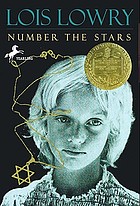 1990: Number the Stars
by
In 1943, during the German occupation of Demark, ten-year-old Annemarie learns how to be brave and courageous when she helps shelter her Jewish friend from the Nazis.
1990: Number the Stars
by
In 1943, during the German occupation of Demark, ten-year-old Annemarie learns how to be brave and courageous when she helps shelter her Jewish friend from the Nazis.
 1991: Maniac Magee
by
After his parents die, Jeffrey Lionel Magee's life becomes legendary, as he accomplishes athletic and other feats which awe his contemporaries.
From the Publisher: He wasn't born with the name Maniac Magee. He came into this world named Jeffrey Lionel Magee, but when his parents died and his life changed, so did his name. And Maniac Magee became a legend. Even today kids talk about how fast he could run; about how he hit an inside-the-park "frog" homer; how no knot, no matter how snarled, would stay that way once he began to untie it. But the thing Maniac Magee is best known for is what he did for the kids from the East Side and those from the West Side.
1991: Maniac Magee
by
After his parents die, Jeffrey Lionel Magee's life becomes legendary, as he accomplishes athletic and other feats which awe his contemporaries.
From the Publisher: He wasn't born with the name Maniac Magee. He came into this world named Jeffrey Lionel Magee, but when his parents died and his life changed, so did his name. And Maniac Magee became a legend. Even today kids talk about how fast he could run; about how he hit an inside-the-park "frog" homer; how no knot, no matter how snarled, would stay that way once he began to untie it. But the thing Maniac Magee is best known for is what he did for the kids from the East Side and those from the West Side.
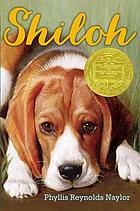 1992: Shiloh
by
When he finds a lost beagle in the hills behind his West Virginia home, Marty tries to hide it from his family and the dog's real owner, a mean-spirited man known to shoot deer out of season and to mistreat his dogs.
1992: Shiloh
by
When he finds a lost beagle in the hills behind his West Virginia home, Marty tries to hide it from his family and the dog's real owner, a mean-spirited man known to shoot deer out of season and to mistreat his dogs.
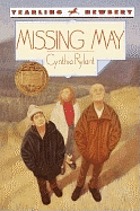 1993: Missing May
by
After the death of the beloved aunt who has raised her, twelve-year-old Summer and her uncle Ob leave their West Virginia trailer in search of the strength to go on living.
1993: Missing May
by
After the death of the beloved aunt who has raised her, twelve-year-old Summer and her uncle Ob leave their West Virginia trailer in search of the strength to go on living.
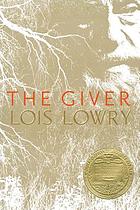 1994: The Giver
by
Given his lifetime assignment at the Ceremony of Twelve, Jonas becomes the receiver of memories shared by only one other in his community and discovers the terrible truth about the society in which he lives.
1994: The Giver
by
Given his lifetime assignment at the Ceremony of Twelve, Jonas becomes the receiver of memories shared by only one other in his community and discovers the terrible truth about the society in which he lives.
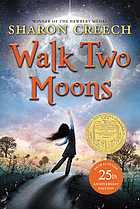 1995: Walk Two Moons
by
After her mother leaves home suddenly, thirteen-year-old Sal and her grandparents take a car trip retracing her mother's route. Along the way, Sal recounts the story of her friend Phoebe, whose mother also left.
1995: Walk Two Moons
by
After her mother leaves home suddenly, thirteen-year-old Sal and her grandparents take a car trip retracing her mother's route. Along the way, Sal recounts the story of her friend Phoebe, whose mother also left.
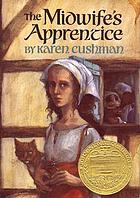 1996: The Midwife's Apprentice
by
In medieval England, a nameless, homeless girl is taken in by a sharp-tempered midwife, and in spite of obstacles and hardship, eventually gains the three things she most wants: a full belly, a contented heart, and a place in this world. This novel is about a strong young woman in medieval England who finds her own way home. This is a world, like Chaucer's, that's - dangerous, primitive and raucous. From the first page you're caught by the spirit of the homeless, nameless waif, somewhere around 12 years old. She gets the village midwife to take her in, befriends a cat, names herself Alyce, and learns something about delivering babies. When she fails, she runs away, but she picks herself up again and returns to work and independence.
1996: The Midwife's Apprentice
by
In medieval England, a nameless, homeless girl is taken in by a sharp-tempered midwife, and in spite of obstacles and hardship, eventually gains the three things she most wants: a full belly, a contented heart, and a place in this world. This novel is about a strong young woman in medieval England who finds her own way home. This is a world, like Chaucer's, that's - dangerous, primitive and raucous. From the first page you're caught by the spirit of the homeless, nameless waif, somewhere around 12 years old. She gets the village midwife to take her in, befriends a cat, names herself Alyce, and learns something about delivering babies. When she fails, she runs away, but she picks herself up again and returns to work and independence.
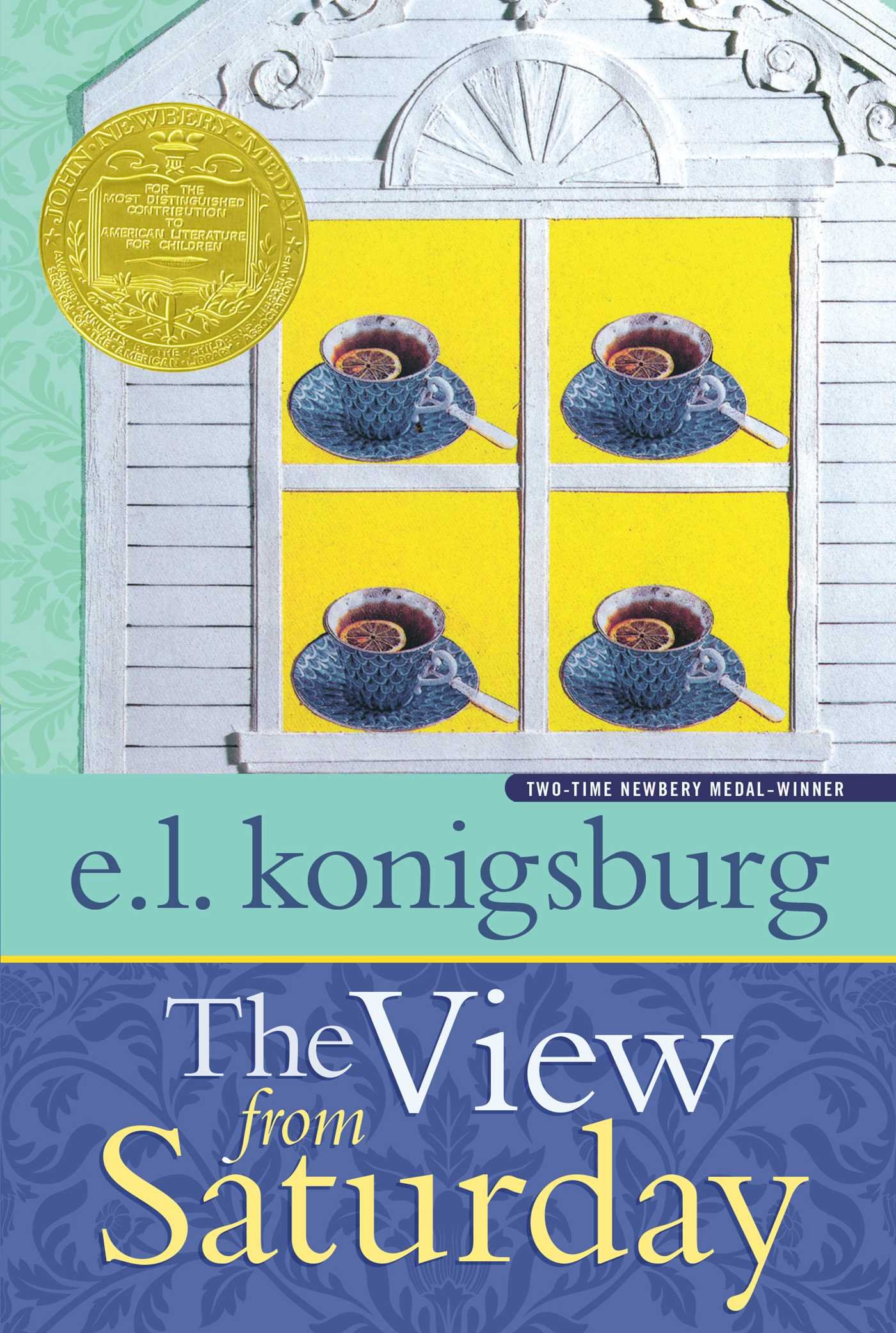 1997: The View From Saturday
by
Four students, each with their own individual stories, develop a special bond and attract the attention of their teacher, a paraplegic, who chooses them to represent their sixth-grade class in the Academic Bowl competition.
1997: The View From Saturday
by
Four students, each with their own individual stories, develop a special bond and attract the attention of their teacher, a paraplegic, who chooses them to represent their sixth-grade class in the Academic Bowl competition.
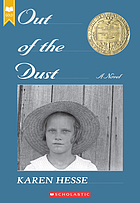 1998: Out of the Dust
by
In a series of poems, fifteen-year-old Billie Jo relates the hardships of living on her family's wheat farm in Oklahoma during the dust bowl years of the Depression.
1998: Out of the Dust
by
In a series of poems, fifteen-year-old Billie Jo relates the hardships of living on her family's wheat farm in Oklahoma during the dust bowl years of the Depression.
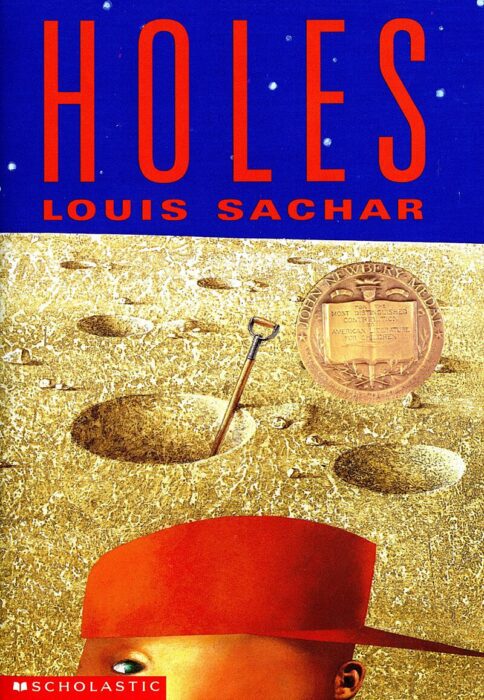 1999: Holes
by
As further evidence of his family's bad fortune which they attribute to a curse on a distant relative, Stanley Yelnats is sent to a hellish correctional camp in the Texas desert where he finds his first real friend, a treasure, and a new sense of himself.
1999: Holes
by
As further evidence of his family's bad fortune which they attribute to a curse on a distant relative, Stanley Yelnats is sent to a hellish correctional camp in the Texas desert where he finds his first real friend, a treasure, and a new sense of himself.
 1980: A Gathering of Days : a New England Girl's Journal, 1830-32: a novel
by
The book is written in the form of a journal kept by Catherine Hall, a young girl living in a rural village in New England with her widower father and younger sister. The journal details her daily life between the years of 1830 and 1832. Among the events of these two years are several that would have a profound impact on the rest of her life. These include her assistance to an escaped slave, her father's remarriage, and the sudden death of her best friend.
1980: A Gathering of Days : a New England Girl's Journal, 1830-32: a novel
by
The book is written in the form of a journal kept by Catherine Hall, a young girl living in a rural village in New England with her widower father and younger sister. The journal details her daily life between the years of 1830 and 1832. Among the events of these two years are several that would have a profound impact on the rest of her life. These include her assistance to an escaped slave, her father's remarriage, and the sudden death of her best friend.
 1981: Jacob I Have Loved
by
Feeling deprived all her life of schooling, friends, mother, and even her name by her twin sister, Louise finally begins to find her identity.
1981: Jacob I Have Loved
by
Feeling deprived all her life of schooling, friends, mother, and even her name by her twin sister, Louise finally begins to find her identity.
 1982: A Visit to William Blake's Inn: Poems for Innocent and Experienced Travelers
by
A collection of poems describing the curious menagerie of guests who arrive at William Blake's inn.
1982: A Visit to William Blake's Inn: Poems for Innocent and Experienced Travelers
by
A collection of poems describing the curious menagerie of guests who arrive at William Blake's inn.
 1983: Dicey's song
by
Now that the four abandoned Tillerman children are settled in with their grandmother, Dicey finds that their new beginnings require love, trust, humor, and courage.
1983: Dicey's song
by
Now that the four abandoned Tillerman children are settled in with their grandmother, Dicey finds that their new beginnings require love, trust, humor, and courage.
 1984: Dear Mr. Henshaw
by
In his letters to his favorite author, ten-year-old Leigh reveals his problems in coping with his parents' divorce, being the new boy in school, and generally finding his own place in the world.
1984: Dear Mr. Henshaw
by
In his letters to his favorite author, ten-year-old Leigh reveals his problems in coping with his parents' divorce, being the new boy in school, and generally finding his own place in the world.
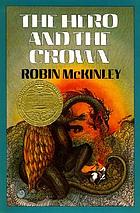 1985: The Hero and the Crown
by
Aerin, with the guidance of the wizard Luthe and the help of the Blue Sword, wins the birthright due her as the daughter of the Damarian king and a witchwoman of the mysterious, demon-haunted North.
1985: The Hero and the Crown
by
Aerin, with the guidance of the wizard Luthe and the help of the Blue Sword, wins the birthright due her as the daughter of the Damarian king and a witchwoman of the mysterious, demon-haunted North.
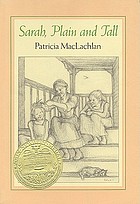 1986: Sarah, Plain and Tall
by
When their father invites a mail-order bride to come live with them in their prairie home, Caleb and Anna are captivated by their new mother and hope that she will stay.
1986: Sarah, Plain and Tall
by
When their father invites a mail-order bride to come live with them in their prairie home, Caleb and Anna are captivated by their new mother and hope that she will stay.
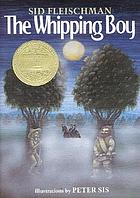 1987: The Whipping Boy
by
A bratty prince and his whipping boy have many adventures when they inadvertently trade places after becoming involved with dangerous outlaws.
1987: The Whipping Boy
by
A bratty prince and his whipping boy have many adventures when they inadvertently trade places after becoming involved with dangerous outlaws.
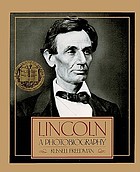 1988: Lincoln: A Photobiography
by
Photographs and text trace the life of the Civil War President.
1988: Lincoln: A Photobiography
by
Photographs and text trace the life of the Civil War President.
 1989: Joyful Noise: Poems for Two Voices
by
A collection of poems describing the characteristics and activities of a variety of insects.
1989: Joyful Noise: Poems for Two Voices
by
A collection of poems describing the characteristics and activities of a variety of insects.
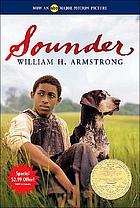 1970: Sounder
by
Angry and humiliated when his sharecropper father is jailed for stealing food for his family, a young black boy grows in courage and understanding by learning to read and through his relationship with his devoted dog Sounder
1970: Sounder
by
Angry and humiliated when his sharecropper father is jailed for stealing food for his family, a young black boy grows in courage and understanding by learning to read and through his relationship with his devoted dog Sounder
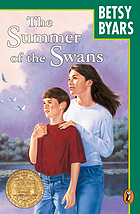 1971: The Summer of the Swans
by
A teen-age girl gains new insight into herself and her family when her mentally handicapped brother gets lost.
1971: The Summer of the Swans
by
A teen-age girl gains new insight into herself and her family when her mentally handicapped brother gets lost.
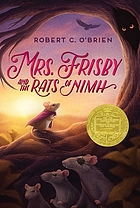 1972: Mrs. Frisby and the Rats of NIMH
by
Mrs. Frisby, a widowed mouse with four small children, must move her family to their summer quarters immediately, or face almost certain death. But her youngest son, Timothy, lies ill with pneumonia and must not be moved. Fortunately, she encounters the rats of NIMH, an extraordinary breed of highly intelligent creatures, who come up with a brilliant solution to her dilemma
1972: Mrs. Frisby and the Rats of NIMH
by
Mrs. Frisby, a widowed mouse with four small children, must move her family to their summer quarters immediately, or face almost certain death. But her youngest son, Timothy, lies ill with pneumonia and must not be moved. Fortunately, she encounters the rats of NIMH, an extraordinary breed of highly intelligent creatures, who come up with a brilliant solution to her dilemma
 1973: Julie of the Wolves
by
While running away from home and an unwanted marriage, a thirteen-year-old Eskimo girl becomes lost on the North Slope of Alaska and is befriended by a wolf pack.
1973: Julie of the Wolves
by
While running away from home and an unwanted marriage, a thirteen-year-old Eskimo girl becomes lost on the North Slope of Alaska and is befriended by a wolf pack.
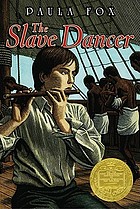 1974: The Slave Dancer
by
Kidnapped by the crew of an Africa-bound ship, a thirteen-year-old boy discovers to his horror that he is on a slaver and his job is to play music for the exercise periods of the human cargo.
1974: The Slave Dancer
by
Kidnapped by the crew of an Africa-bound ship, a thirteen-year-old boy discovers to his horror that he is on a slaver and his job is to play music for the exercise periods of the human cargo.
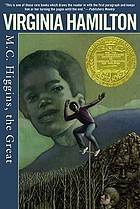 1975: M.C. Higgins, The Great
by
As a slag heap, the result of strip mining, creeps closer to his house in the Ohio hills, fifteen-year-old M.C. is torn between trying to get his family away and fighting for the home they love.
1975: M.C. Higgins, The Great
by
As a slag heap, the result of strip mining, creeps closer to his house in the Ohio hills, fifteen-year-old M.C. is torn between trying to get his family away and fighting for the home they love.
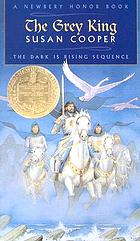 1976: The Grey King
by
A strange boy and dog remind Will Stanton that he is an immortal, whose quest is to find the golden harp which will rouse others from a long slumber in the Welsh hills so they may prepare for the ultimate battle of Light versus Dark.
1976: The Grey King
by
A strange boy and dog remind Will Stanton that he is an immortal, whose quest is to find the golden harp which will rouse others from a long slumber in the Welsh hills so they may prepare for the ultimate battle of Light versus Dark.
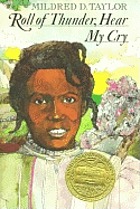 1977: Roll of Thunder, Hear My Cry
by
With the land to hold them together, nothing can tear the Logans apart. Why is the land so important to Cassie's family? It takes the events of one turbulent year -- the year of the night riders and the burnings, the year a white girl humiliates Cassie in public simply because she is black -- to show Cassie that having a place of their own is the Logan family's lifeblood. It is the land that gives the Logans their courage and pride, for no matter how others may degrade them, the Logans possess something no one can take away.
1977: Roll of Thunder, Hear My Cry
by
With the land to hold them together, nothing can tear the Logans apart. Why is the land so important to Cassie's family? It takes the events of one turbulent year -- the year of the night riders and the burnings, the year a white girl humiliates Cassie in public simply because she is black -- to show Cassie that having a place of their own is the Logan family's lifeblood. It is the land that gives the Logans their courage and pride, for no matter how others may degrade them, the Logans possess something no one can take away.
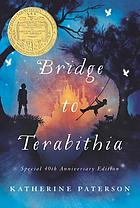 1978: Bridge to Terabithia
by
All summer, Jess pushed himself to be the fastest boy in the fifth grade, and when the year's first school-yard race was run, he was going to win. But his victory was stolen by a newcomer, by a girl, one who didn't even know enough to stay on the girls' side of the playground. Then, unexpectedly, Jess finds himself sticking up for Leslie, for the girl who breaks rules and wins races. The friendship between the two grows as Jess guides the city girl through the pitfalls of life in their small, rural town, and Leslie draws him into the imaginary world of magic and ceremony called Terabithia. Here, Leslie and Jess rule supreme among the oaks and evergreens, safe from the bullies and ridicule of the mundane world. Safe until an unforeseen tragedy forces Jess to reign in Terabithia alone, and both worlds are forever changed. In this poignant, beautifully rendered novel, Katherine Paterson weaves a powerful story of friendship and courage.
1978: Bridge to Terabithia
by
All summer, Jess pushed himself to be the fastest boy in the fifth grade, and when the year's first school-yard race was run, he was going to win. But his victory was stolen by a newcomer, by a girl, one who didn't even know enough to stay on the girls' side of the playground. Then, unexpectedly, Jess finds himself sticking up for Leslie, for the girl who breaks rules and wins races. The friendship between the two grows as Jess guides the city girl through the pitfalls of life in their small, rural town, and Leslie draws him into the imaginary world of magic and ceremony called Terabithia. Here, Leslie and Jess rule supreme among the oaks and evergreens, safe from the bullies and ridicule of the mundane world. Safe until an unforeseen tragedy forces Jess to reign in Terabithia alone, and both worlds are forever changed. In this poignant, beautifully rendered novel, Katherine Paterson weaves a powerful story of friendship and courage.
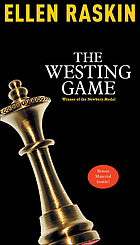 1979: The Westing Game
by
The mysterious death of an eccentric millionaire brings together an unlikely assortment of heirs who must uncover the circumstances of his death before they can claim their inheritance.
1979: The Westing Game
by
The mysterious death of an eccentric millionaire brings together an unlikely assortment of heirs who must uncover the circumstances of his death before they can claim their inheritance.
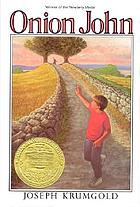 1960: Onion John
by
His friendship with the town odd-jobs man, Onion John, causes a conflict between Andy and his father.
1960: Onion John
by
His friendship with the town odd-jobs man, Onion John, causes a conflict between Andy and his father.
 1961: Island of the Blue Dolphins
by
The gripping story of young Karana, an Indian girl who survives by herself for eighteen years on a deserted island off the California coast. A quiet acceptance of fate characterizes her ordeal.
1961: Island of the Blue Dolphins
by
The gripping story of young Karana, an Indian girl who survives by herself for eighteen years on a deserted island off the California coast. A quiet acceptance of fate characterizes her ordeal.
 1962: The Bronze Bow
by
When the Romans brutally kill Daniel bar Jamin's father, the young Palestinian searches for a leader to drive them out, but comes to realize that love may be a more powerful weapon than hate.
1962: The Bronze Bow
by
When the Romans brutally kill Daniel bar Jamin's father, the young Palestinian searches for a leader to drive them out, but comes to realize that love may be a more powerful weapon than hate.
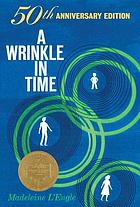 1963: A Wrinkle in Time
by
Meg Murry and her friends become involved with unearthly strangers and a search for Meg's father, who has disappeared while engaged in secret work for the government. It was a dark and stormy night Meg Murry, her small brother Charles Wallace, and her mother had come down to the kitchen for a midnight snack when they were upset by the arrival of a most disturbing stranger. "Wild nights are my glory," the unearthly stranger told them. "I just got caught in a downdraft and blown off course. Let me sit down for a moment, and then I'll be on my way. Speaking of ways, by the way, there is such a thing as a tesseract." A tesseract (in case the reader doesn't know) is a wrinkle in time. To tell more would rob the reader of the enjoyment of Miss L'Engle's unusual book
1963: A Wrinkle in Time
by
Meg Murry and her friends become involved with unearthly strangers and a search for Meg's father, who has disappeared while engaged in secret work for the government. It was a dark and stormy night Meg Murry, her small brother Charles Wallace, and her mother had come down to the kitchen for a midnight snack when they were upset by the arrival of a most disturbing stranger. "Wild nights are my glory," the unearthly stranger told them. "I just got caught in a downdraft and blown off course. Let me sit down for a moment, and then I'll be on my way. Speaking of ways, by the way, there is such a thing as a tesseract." A tesseract (in case the reader doesn't know) is a wrinkle in time. To tell more would rob the reader of the enjoyment of Miss L'Engle's unusual book
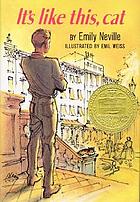 1964: It's Like This, Cat
by
The story of a fourteen-year-old New York boy and his relationships with a stray tomcat, an eccentric old woman, a troubled older boy, the first girl with whom he has been friends, and his father.
1964: It's Like This, Cat
by
The story of a fourteen-year-old New York boy and his relationships with a stray tomcat, an eccentric old woman, a troubled older boy, the first girl with whom he has been friends, and his father.
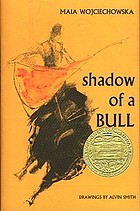 1965: Shadow of a Bull
by
Manolo Olivar has to make a decision: to follow in his famous father's shadow and become a bullfighter, or to follow his heart and become a doctor.
1965: Shadow of a Bull
by
Manolo Olivar has to make a decision: to follow in his famous father's shadow and become a bullfighter, or to follow his heart and become a doctor.
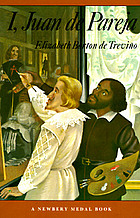 1966: I, Juan de Pareja
by
The slave of the 17th century Spanish painter Velazquez becomes a painter in his own right.
1966: I, Juan de Pareja
by
The slave of the 17th century Spanish painter Velazquez becomes a painter in his own right.
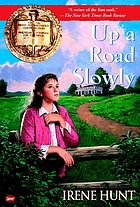 1967: Up a Road Slowly
by
A seven-year-old orphan goes to live with her aunt, where she learns new values as she grows to young womanhood. There are many happy memories and sad times too; jealousy of her sister, death of a schoolmate, and disappointment of first love.
1967: Up a Road Slowly
by
A seven-year-old orphan goes to live with her aunt, where she learns new values as she grows to young womanhood. There are many happy memories and sad times too; jealousy of her sister, death of a schoolmate, and disappointment of first love.
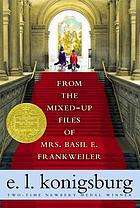 1968: From the Mixed-Up Files of Mrs. Basil E. Frankweiler
by
Having run away with her younger brother to live in the Metropolitan Museum of Art, twelve-year-old Claudia strives to keep things in order in their new home and to become a changed person and a heroine to herself.
1968: From the Mixed-Up Files of Mrs. Basil E. Frankweiler
by
Having run away with her younger brother to live in the Metropolitan Museum of Art, twelve-year-old Claudia strives to keep things in order in their new home and to become a changed person and a heroine to herself.
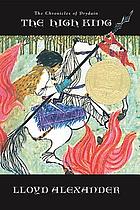 1969: The High King
by
In this fifth and final chronicle of Prydain the forces of good and evil meet in ultimate confrontation.
1969: The High King
by
In this fifth and final chronicle of Prydain the forces of good and evil meet in ultimate confrontation.
 1950: The Door in the Wall
by
Set in England during the Middle Ages, the son of a powerful nobleman suddenly loses the use of his legs and is forced to learn to live with his disability, but proves his courage and earns the recognition of the King.
1950: The Door in the Wall
by
Set in England during the Middle Ages, the son of a powerful nobleman suddenly loses the use of his legs and is forced to learn to live with his disability, but proves his courage and earns the recognition of the King.
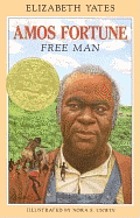 1951: Amos Fortune, Free Man
by
The life of the eighteenth-century African prince who, after being captured by slave traders, was brought to Massachusetts where he was a slave until he was able to buy his freedom at the age of sixty.
1951: Amos Fortune, Free Man
by
The life of the eighteenth-century African prince who, after being captured by slave traders, was brought to Massachusetts where he was a slave until he was able to buy his freedom at the age of sixty.
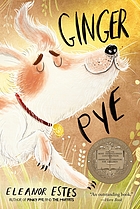 1952: Ginger Pye
by
The disappearance of a new puppy named Ginger and the appearance of a mysterious man in a mustard yellow hat bring excitement into the lives of the Pye children.
1952: Ginger Pye
by
The disappearance of a new puppy named Ginger and the appearance of a mysterious man in a mustard yellow hat bring excitement into the lives of the Pye children.
 1953: Secret of the Andes
by
An Indian boy who tends llamas in a hidden valley in Peru learns the traditions and secrets of his Inca ancestors.
1953: Secret of the Andes
by
An Indian boy who tends llamas in a hidden valley in Peru learns the traditions and secrets of his Inca ancestors.
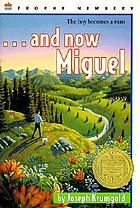 1954: ...And Now Miguel
by
Every summer the men of the Chavez family go on a long and difficult sheep drive to the mountains. All the men, that is, except for Miguel. All year long, twelve-year-old Miguel tries to prove that he, too, is up to the challenge - that he, too, is ready to take the sheep into his beloved Sangre de Cristo Mountains. When his deeds go unnoticed, he prays to San Ysidro, the saint for farmers everywhere. And his prayer is answered - but with devastating consequences.
1954: ...And Now Miguel
by
Every summer the men of the Chavez family go on a long and difficult sheep drive to the mountains. All the men, that is, except for Miguel. All year long, twelve-year-old Miguel tries to prove that he, too, is up to the challenge - that he, too, is ready to take the sheep into his beloved Sangre de Cristo Mountains. When his deeds go unnoticed, he prays to San Ysidro, the saint for farmers everywhere. And his prayer is answered - but with devastating consequences.
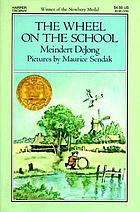 1955: The Wheel on the School
by
Lina and the other children must overcome many obstacles to bring the storks back to their little Dutch village. But they don't give up, and soon they get the whole village working to make their dream come true.
1955: The Wheel on the School
by
Lina and the other children must overcome many obstacles to bring the storks back to their little Dutch village. But they don't give up, and soon they get the whole village working to make their dream come true.
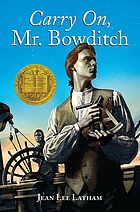 1956: Carry on, Mr. Bowditch
by
Readers today are still fascinated by "Nat," an eighteenth-century nautical wonder and mathematical wizard. Nathaniel Bowditch grew up in a sailor"s world--Salem in the early days, when tall-masted ships from foreign ports crowded the wharves. But Nat didn"t promise to have the makings of a sailor; he was too physically small. Nat may have been slight of build, but no one guessed that he had the persistence and determination to master sea navigation in the days when men sailed only by "log, lead, and lookout." Nat"s long hours of study and observation, collected in his famous work, The American Practical Navigator (also known as the "Sailors" Bible"), stunned the sailing community and made him a New England hero.
1956: Carry on, Mr. Bowditch
by
Readers today are still fascinated by "Nat," an eighteenth-century nautical wonder and mathematical wizard. Nathaniel Bowditch grew up in a sailor"s world--Salem in the early days, when tall-masted ships from foreign ports crowded the wharves. But Nat didn"t promise to have the makings of a sailor; he was too physically small. Nat may have been slight of build, but no one guessed that he had the persistence and determination to master sea navigation in the days when men sailed only by "log, lead, and lookout." Nat"s long hours of study and observation, collected in his famous work, The American Practical Navigator (also known as the "Sailors" Bible"), stunned the sailing community and made him a New England hero.
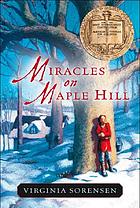 1957: Miracles on Maple Hill
by
Marly and her family share many adventures when they move from the city to a farmhouse on Maple Hill.
1957: Miracles on Maple Hill
by
Marly and her family share many adventures when they move from the city to a farmhouse on Maple Hill.
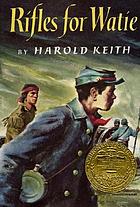 1958: Rifles for Watie
by
Jeff Bussey, a young farmer, joins the Union volunteers, and becomes a scout and soldier in the West to see the Civil War from both sides and lives to tell about it.
1958: Rifles for Watie
by
Jeff Bussey, a young farmer, joins the Union volunteers, and becomes a scout and soldier in the West to see the Civil War from both sides and lives to tell about it.
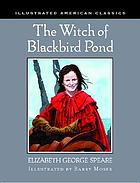 1959: The Witch of Blackbird Pond
by
Kit Tyler must leave behind shimmering Caribbean islands to join the stern Puritan community of her relatives. She soon feels caged, until she meets the old woman known as the Witch of Blackbird Pond. But when their friendship is discovered, Kit herself is accused of witchcraft!
1959: The Witch of Blackbird Pond
by
Kit Tyler must leave behind shimmering Caribbean islands to join the stern Puritan community of her relatives. She soon feels caged, until she meets the old woman known as the Witch of Blackbird Pond. But when their friendship is discovered, Kit herself is accused of witchcraft!
 1940: Daniel Boone
by
Tells the story of the life of the rugged frontiersman and pioneer leader who helped settle Kentucky.
1940: Daniel Boone
by
Tells the story of the life of the rugged frontiersman and pioneer leader who helped settle Kentucky.
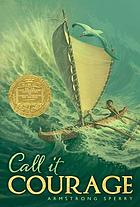 1941: Call It Courage
by
Based on a Polynesian legend, this is the story of a youth who overcomes his fear of the sea and proves his courage to himself and his tribe.
1941: Call It Courage
by
Based on a Polynesian legend, this is the story of a youth who overcomes his fear of the sea and proves his courage to himself and his tribe.
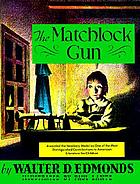 1942: The Matchlock Gun
by
In 1756, during the French and Indian War in upper New York state, ten-year-old Edward is determined to protect his home and family with the ancient, and much too heavy, Spanish gun that his father had given him before leaving home to fight the enemy.
1942: The Matchlock Gun
by
In 1756, during the French and Indian War in upper New York state, ten-year-old Edward is determined to protect his home and family with the ancient, and much too heavy, Spanish gun that his father had given him before leaving home to fight the enemy.
 1943: Adam of the Road
by
In thirteenth-century England, an eleven-year-old boy roams the countryside as he searches for his father and his stolen dog.
1943: Adam of the Road
by
In thirteenth-century England, an eleven-year-old boy roams the countryside as he searches for his father and his stolen dog.
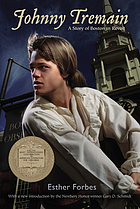 1944: Johnny Tremain
by
After injuring his hand, a silversmith's apprentice in Boston becomes a messenger for the Sons of Liberty in the days before the American Revolution.
1944: Johnny Tremain
by
After injuring his hand, a silversmith's apprentice in Boston becomes a messenger for the Sons of Liberty in the days before the American Revolution.
 1945: Rabbit Hill
by
New folks are coming to live in the Big House. The animals of Rabbit Hill wonder if they will plant a garden and thus be good providers.
1945: Rabbit Hill
by
New folks are coming to live in the Big House. The animals of Rabbit Hill wonder if they will plant a garden and thus be good providers.
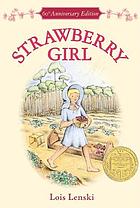 1946: Strawberry Girl
by
In 1945, in Florida, ten-year-old Birdie Boyer and her family struggle to make their new farm prosper despite heat, droughts, cold snaps, and rowdy neighbors.
1946: Strawberry Girl
by
In 1945, in Florida, ten-year-old Birdie Boyer and her family struggle to make their new farm prosper despite heat, droughts, cold snaps, and rowdy neighbors.
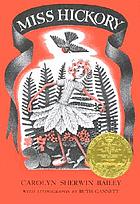 1947: Miss Hickory
by
Relates the adventures of a country doll made of an apple-wood twig with a hickory nut for a head.
Held by Shepherd Universit
1947: Miss Hickory
by
Relates the adventures of a country doll made of an apple-wood twig with a hickory nut for a head.
Held by Shepherd Universit
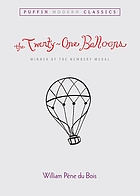 1948: The Twenty-One Balloons
by
Fanciful adventures of Professor Sherman, who leaves on a vacation in a balloon, and lands on a volcanic island in the Pacific.
1948: The Twenty-One Balloons
by
Fanciful adventures of Professor Sherman, who leaves on a vacation in a balloon, and lands on a volcanic island in the Pacific.
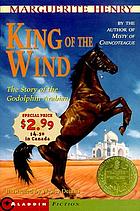 1949: The King of the Wind
by
Follows the adventures of the Arabian stallion brought to England to become one of the founding sires of the Thoroughbred breed and the mute Arab stable boy who tended him with loyalty and devotion all his life.
1949: The King of the Wind
by
Follows the adventures of the Arabian stallion brought to England to become one of the founding sires of the Thoroughbred breed and the mute Arab stable boy who tended him with loyalty and devotion all his life.
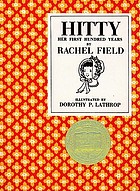 1930: Hitty, Her First One Hundred Years
by
A favorite since it was first published in 1929, this Newbery Medal winner is a timeless classic about a very special doll of great charm and character.
1930: Hitty, Her First One Hundred Years
by
A favorite since it was first published in 1929, this Newbery Medal winner is a timeless classic about a very special doll of great charm and character.
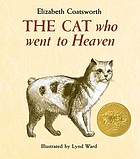 1931: The Cat Who Went to Heaven
by
In ancient Japan a struggling artist is angered when his housekeeper brings home a tiny white cat he can barely afford to feed. The cat begs the artist to include her in a picture of animals paying homage to Buddha
1931: The Cat Who Went to Heaven
by
In ancient Japan a struggling artist is angered when his housekeeper brings home a tiny white cat he can barely afford to feed. The cat begs the artist to include her in a picture of animals paying homage to Buddha
 1932: Waterless Mountain
by
Younger Brother, a Navaho Indian boy, feels the calling to become a medicine man. He undergoes eight years of training in the ancient religion of his Navaho people and the practical knowledge of living on the desert land that is his tribe's homeland.
1932: Waterless Mountain
by
Younger Brother, a Navaho Indian boy, feels the calling to become a medicine man. He undergoes eight years of training in the ancient religion of his Navaho people and the practical knowledge of living on the desert land that is his tribe's homeland.
 1933: Young Fu of the upper Yangtze
by
Young Fu is apprenticed to Tang, the coppersmith, against the backdrop of the China of the 1920's.
1933: Young Fu of the upper Yangtze
by
Young Fu is apprenticed to Tang, the coppersmith, against the backdrop of the China of the 1920's.
 1934: Invincible Louisa: The Story of the Author of Little Women
by
This biography of the author whose life had many parallels with the story of "Little Women" is set against a background of her times and the famous people who were her father's friends--Thoreau, Emerson, and others.
1934: Invincible Louisa: The Story of the Author of Little Women
by
This biography of the author whose life had many parallels with the story of "Little Women" is set against a background of her times and the famous people who were her father's friends--Thoreau, Emerson, and others.
 1935: Dobry
by
A Bulgarian peasant boy must convince his mother that he is destined to be a sculptor, not a farmer.
1935: Dobry
by
A Bulgarian peasant boy must convince his mother that he is destined to be a sculptor, not a farmer.
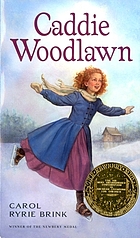 1936: Caddie Woodlawn
by
At age 11, Caddie Woodlawn is the despair of her mother and the pride of her father: a clock-fixing tomboy running wild in the woods of Wisconsin. In 1864, this is a bit much for her Boston-bred mother to bear, but Caddie and her brothers are happy with the status quo.
1936: Caddie Woodlawn
by
At age 11, Caddie Woodlawn is the despair of her mother and the pride of her father: a clock-fixing tomboy running wild in the woods of Wisconsin. In 1864, this is a bit much for her Boston-bred mother to bear, but Caddie and her brothers are happy with the status quo.
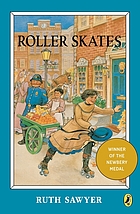 1937: Roller Skates
by
Set in the 1890's, this story follows a ten-year-old tomboy as she spends a year in New York City going everywhere on roller skates.
1937: Roller Skates
by
Set in the 1890's, this story follows a ten-year-old tomboy as she spends a year in New York City going everywhere on roller skates.
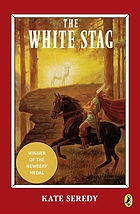 1938: The White Stag
by
Retells the legendary story of the Huns and Magyars' long migration from Asia to Europe where they hope to find a permanent home.
1938: The White Stag
by
Retells the legendary story of the Huns and Magyars' long migration from Asia to Europe where they hope to find a permanent home.
 1939: Thimble Summer
by
Unusual things begin to happen when a young girl finds a silver thimble doing the things called for by the farm, full of the sensory pleasures of summer on a farm in southern Wisconsin.
1939: Thimble Summer
by
Unusual things begin to happen when a young girl finds a silver thimble doing the things called for by the farm, full of the sensory pleasures of summer on a farm in southern Wisconsin.
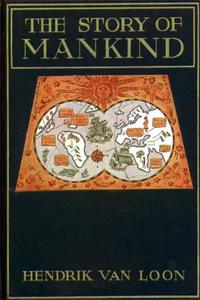 1922: The Story of Mankind
by
he Story of Mankind intermingles personal anecdotes with the history of Western civilization, covering the development of writing, art, and architecture, the rise of major religions, and the formation of the modern nation-state. Van Loon explains that he selected what to and what not to include by asking the question: Did the person or event in question perform an act without which the entire history of civilization would have been different? Well written, informative, and vastly entreating.
1922: The Story of Mankind
by
he Story of Mankind intermingles personal anecdotes with the history of Western civilization, covering the development of writing, art, and architecture, the rise of major religions, and the formation of the modern nation-state. Van Loon explains that he selected what to and what not to include by asking the question: Did the person or event in question perform an act without which the entire history of civilization would have been different? Well written, informative, and vastly entreating.
 1923: The Voyages of Doctor Dolittle
by
Presents the story of the good doctor who learned the language of animals, and made adventurous voyages.
1923: The Voyages of Doctor Dolittle
by
Presents the story of the good doctor who learned the language of animals, and made adventurous voyages.
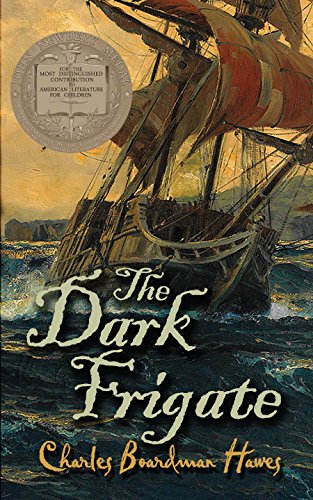 1924: The Dark Frigate
by
A young man dares not return to England after his ship is taken over by pirates and he becomes a member of their crew.
1924: The Dark Frigate
by
A young man dares not return to England after his ship is taken over by pirates and he becomes a member of their crew.
 1925: Tales From the Silver Lands
by
Presents a series of stories about animals, magic, witches, giants, and other beings from Central and South America
1925: Tales From the Silver Lands
by
Presents a series of stories about animals, magic, witches, giants, and other beings from Central and South America
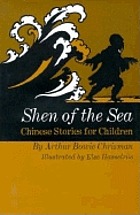 1926: Shen of the Sea
by
Sixteen original stories reflecting the spirit of Chinese life and thought.
1926: Shen of the Sea
by
Sixteen original stories reflecting the spirit of Chinese life and thought.
 1927: Smoky, the Cowhorse
by
The experiences of a mouse-colored horse from his birth on the range, through his capture by humans, his work in the rodeo and on the range, to his eventual old age.
1927: Smoky, the Cowhorse
by
The experiences of a mouse-colored horse from his birth on the range, through his capture by humans, his work in the rodeo and on the range, to his eventual old age.
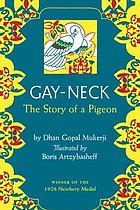 1928: Gay-Neck : the Story of a Pigeon
by
The story of the training of a carrier pigeon and its service during the First World War, revealing the bird's courageous and spirited adventures over the housetops of an Indian village, in the Himalayan Mountains, and on the French battlefield.
1928: Gay-Neck : the Story of a Pigeon
by
The story of the training of a carrier pigeon and its service during the First World War, revealing the bird's courageous and spirited adventures over the housetops of an Indian village, in the Himalayan Mountains, and on the French battlefield.
 1929: The Trumpter of Krakow
by
A Polish family in the Middle Ages guards a great secret treasure and a boy's memory of an earlier trumpeter of Krakow makes it possible for him to save his father.
1929: The Trumpter of Krakow
by
A Polish family in the Middle Ages guards a great secret treasure and a boy's memory of an earlier trumpeter of Krakow makes it possible for him to save his father.
The Caldecott Medal was named in honor of nineteenth-century English illustrator Randolph Caldecott. It is awarded annually by the Association for Library Service to Children, a division of the American Library Association, to the artist of the most distinguished American picture book for children.
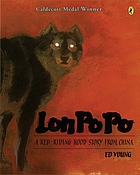 1990: Lon Po Po: a Red-Riding Hood Story From China
by
Three sisters staying home alone are endangered by a hungry wolf who is disguised as their grandmother.
1990: Lon Po Po: a Red-Riding Hood Story From China
by
Three sisters staying home alone are endangered by a hungry wolf who is disguised as their grandmother.
 1991: Black and White
by
Four brief "stories" about parents, trains, and cows, or is it really all one story? The author recommends careful inspection of words and pictures to both minimize and enhance confusion
1991: Black and White
by
Four brief "stories" about parents, trains, and cows, or is it really all one story? The author recommends careful inspection of words and pictures to both minimize and enhance confusion
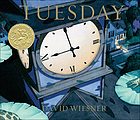 1992: Tuesday
by
Frogs rise on their lily pads, float through the air, and explore nearby houses while their inhabitants sleep.
1992: Tuesday
by
Frogs rise on their lily pads, float through the air, and explore nearby houses while their inhabitants sleep.
 1993: Mirette on the High Wire
by
Mirette learns tightrope walking from Monsieur Bellini, a guest in her mother's boarding house, not knowing that he is a celebrated tightrope artist who has withdrawn from performing because of fear.
1993: Mirette on the High Wire
by
Mirette learns tightrope walking from Monsieur Bellini, a guest in her mother's boarding house, not knowing that he is a celebrated tightrope artist who has withdrawn from performing because of fear.
 1994: Grandfather's Journey
by
A Japanese American man recounts his grandfather's journey to America which he later also undertakes, and the feelings of being torn by a love for two different countries.
1994: Grandfather's Journey
by
A Japanese American man recounts his grandfather's journey to America which he later also undertakes, and the feelings of being torn by a love for two different countries.
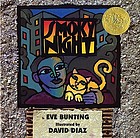 1995: Smoky Night
by
Daniel and his mother look out of their window at the smoky night below. There are looters on the street, fires in the distance. Daniel clutches his cat, Jasmine. But later, when they're forced to leave the apartment building, Jasmine can't be found. Mrs. Kim's cat is missing too. Where are they? They can't be with each other. Those cats don't get along ... This story is about cats and people who couldn't get along until a night of rioting brings them together.
1995: Smoky Night
by
Daniel and his mother look out of their window at the smoky night below. There are looters on the street, fires in the distance. Daniel clutches his cat, Jasmine. But later, when they're forced to leave the apartment building, Jasmine can't be found. Mrs. Kim's cat is missing too. Where are they? They can't be with each other. Those cats don't get along ... This story is about cats and people who couldn't get along until a night of rioting brings them together.
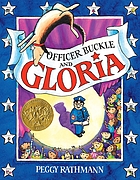 1996: Officer Buckle and Gloria
by
The children at Napville Elementary School always ignore Officer Buckle's safety tips, until a police dog named Gloria accompanies him when he gives his safety speeches.
1996: Officer Buckle and Gloria
by
The children at Napville Elementary School always ignore Officer Buckle's safety tips, until a police dog named Gloria accompanies him when he gives his safety speeches.
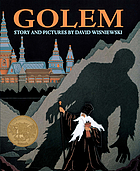 1997: Golem
by
A saintly rabbi miraculously brings to life a clay giant who helps him watch over the Jews of sixteenth-century Prague.
1997: Golem
by
A saintly rabbi miraculously brings to life a clay giant who helps him watch over the Jews of sixteenth-century Prague.
 1998: Rapunzel
by
A retelling of the German folktale in which a beautiful girl with long golden hair is kept imprisoned in a lonely tower by a sorceress. Includes a note on the origins of the story.
1998: Rapunzel
by
A retelling of the German folktale in which a beautiful girl with long golden hair is kept imprisoned in a lonely tower by a sorceress. Includes a note on the origins of the story.
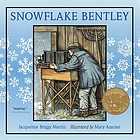 1999: Snowflake Bently
by
A biography of a self-taught scientist who photographed thousands of individual snowflakes in order to study their unique formations. Snow in Vermont is as common as dirt. Why would anyone want to photograph it? From the time he was a small boy, Wilson Bentley thinks of ice crystals as small miracles, and he determines that one day his camera will capture for others their extraordinary beauty. Often misunderstood in his time, he took pictures that even today reveal two important truths about snowflakes: first, that no two are alike, and second, that each one is startlingly beautiful. His story gives children insight into a soul who had not only a scientist's vision and perseverance, but a clear passion for the wonders of nature
1999: Snowflake Bently
by
A biography of a self-taught scientist who photographed thousands of individual snowflakes in order to study their unique formations. Snow in Vermont is as common as dirt. Why would anyone want to photograph it? From the time he was a small boy, Wilson Bentley thinks of ice crystals as small miracles, and he determines that one day his camera will capture for others their extraordinary beauty. Often misunderstood in his time, he took pictures that even today reveal two important truths about snowflakes: first, that no two are alike, and second, that each one is startlingly beautiful. His story gives children insight into a soul who had not only a scientist's vision and perseverance, but a clear passion for the wonders of nature
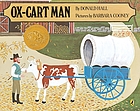 1980: Ox-cart Man
by
Describes the day-to-day life throughout the changing seasons of an early 19th-century New England family.
1980: Ox-cart Man
by
Describes the day-to-day life throughout the changing seasons of an early 19th-century New England family.
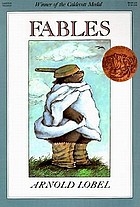 1981: Fables
by
Twenty original fables about an array of animal characters from crocodile to ostrich.
1981: Fables
by
Twenty original fables about an array of animal characters from crocodile to ostrich.
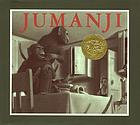 1982: Jumanji
by
Left on their own for an afternoon, two bored and restless children find more excitement than they bargained for in a mysterious and mystical jungle adventure board game
1982: Jumanji
by
Left on their own for an afternoon, two bored and restless children find more excitement than they bargained for in a mysterious and mystical jungle adventure board game
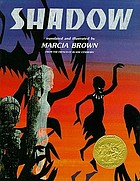 1983: Shadow
by
Free verse evocation of the eerie, shifting image of Shadow which represents the beliefs and ghosts of the past and is brought to life wherever there is light, fire, and a storyteller.
1983: Shadow
by
Free verse evocation of the eerie, shifting image of Shadow which represents the beliefs and ghosts of the past and is brought to life wherever there is light, fire, and a storyteller.
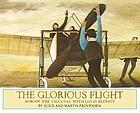 1984: The Glorious Flight: Across the Channel with Louis Blériot
by
A biography of the man whose fascination with flying machines produced the Blériot XI, which crossed the English Channel in thirty-seven minutes in the early 1900s.
1984: The Glorious Flight: Across the Channel with Louis Blériot
by
A biography of the man whose fascination with flying machines produced the Blériot XI, which crossed the English Channel in thirty-seven minutes in the early 1900s.
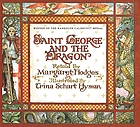 1985: Saint George and the Dragon: a Golden Legend
by
Retells the segment from Spenser's The Faerie Queene, in which George, the Red Cross Knight, slays the dreadful dragon that has been terrorizing the countryside for years and brings peace and joy to the land.
1985: Saint George and the Dragon: a Golden Legend
by
Retells the segment from Spenser's The Faerie Queene, in which George, the Red Cross Knight, slays the dreadful dragon that has been terrorizing the countryside for years and brings peace and joy to the land.
 1986: The Polar Express
by
A magical train ride on Christmas Eve takes a boy to the North Pole to receive a special gift from Santa Claus
1986: The Polar Express
by
A magical train ride on Christmas Eve takes a boy to the North Pole to receive a special gift from Santa Claus
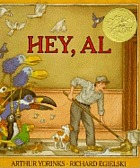 1987: Hey, Al
by
A city janitor and his treasured canine companion are transported by a large colorful bird to an island in the sky, where their comfortable paradise existence threatens to turn them into birds as well
1987: Hey, Al
by
A city janitor and his treasured canine companion are transported by a large colorful bird to an island in the sky, where their comfortable paradise existence threatens to turn them into birds as well
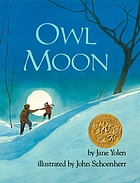 1988: Owl Moon
by
On a winter's night under a full moon, a father and daughter trek into the woods to see the Great Horned Owl.
1988: Owl Moon
by
On a winter's night under a full moon, a father and daughter trek into the woods to see the Great Horned Owl.
 1989: Song and Dance Man
by
Grandpa demonstrates for his visiting grandchildren some of the songs, dances, and jokes he performed when he was a vaudeville entertainer.
1989: Song and Dance Man
by
Grandpa demonstrates for his visiting grandchildren some of the songs, dances, and jokes he performed when he was a vaudeville entertainer.
 1970: Sylvester and the Magic Pebble
by
In a moment of fright Sylvester the donkey asks his magic pebble to turn him into a rock but then can not hold the pebble to wish himself back to normal again.
1970: Sylvester and the Magic Pebble
by
In a moment of fright Sylvester the donkey asks his magic pebble to turn him into a rock but then can not hold the pebble to wish himself back to normal again.
 1971: A Story, A Story : an African Tale
by
Recounts how most African folk tales came to be called "Spider Stories."
1971: A Story, A Story : an African Tale
by
Recounts how most African folk tales came to be called "Spider Stories."
 1972: One Fine Day
by
After the old woman cuts off his tail when he steals her milk, the fox must go through a long series of transactions before she will sew it back on again.
1972: One Fine Day
by
After the old woman cuts off his tail when he steals her milk, the fox must go through a long series of transactions before she will sew it back on again.
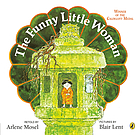 1973: The funny Little Woman
by
While chasing a rice dumpling, a little lady is captured by wicked creatures from whom she escapes with the means of becoming the richest woman in Japan.
1973: The funny Little Woman
by
While chasing a rice dumpling, a little lady is captured by wicked creatures from whom she escapes with the means of becoming the richest woman in Japan.
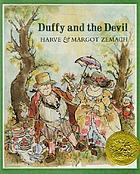 1974: Duffy and the Devil: a Cornish Tale
by
Duffy and the Devil was a popular play in Cornwall in the nineteenth century, performed at the Christmas season by groups of young people who went from house to house. The Zemachs have interpreted the folk tale which the play dramatized, recognizable as a version of the widespread Rumpelstiltskin story. Its main themes are familiar, but the character and details of this picture book are entirely Cornish, as robust and distinctive as the higgledy-piggledy, cliff-hanging villages that dot England's southwestern coast from Penzance to Land's End.
1974: Duffy and the Devil: a Cornish Tale
by
Duffy and the Devil was a popular play in Cornwall in the nineteenth century, performed at the Christmas season by groups of young people who went from house to house. The Zemachs have interpreted the folk tale which the play dramatized, recognizable as a version of the widespread Rumpelstiltskin story. Its main themes are familiar, but the character and details of this picture book are entirely Cornish, as robust and distinctive as the higgledy-piggledy, cliff-hanging villages that dot England's southwestern coast from Penzance to Land's End.
 1975: Arrow to the Sun : a Pueblo Indian Tale.
by
An adaptation of the Pueblo Indian myth which explains how the spirit of the Lord of the Sun was brought to the world of men
1975: Arrow to the Sun : a Pueblo Indian Tale.
by
An adaptation of the Pueblo Indian myth which explains how the spirit of the Lord of the Sun was brought to the world of men
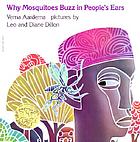 1976: Why Mosquitoes Buzz in People's Ears : a West African Tale
by
A retelling of a traditional West African tale that reveals how the mosquito developed its annoying habit. A mosquito annoyed the iguana, who frightened the python, who scared the rabbit ... and now the whole jungle is in an uproar because the sun won't rise. The animals discuss the situation and decide to punish the mosquito. Even today, whenever we hear a mosquito buzz, we smack it hard!
1976: Why Mosquitoes Buzz in People's Ears : a West African Tale
by
A retelling of a traditional West African tale that reveals how the mosquito developed its annoying habit. A mosquito annoyed the iguana, who frightened the python, who scared the rabbit ... and now the whole jungle is in an uproar because the sun won't rise. The animals discuss the situation and decide to punish the mosquito. Even today, whenever we hear a mosquito buzz, we smack it hard!
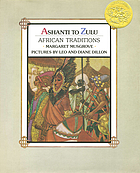 1977: Ashanti to Zulu: African Traditions
by
Explains some traditions and customs of twenty-six African tribes beginning with letters from A to Z.
1977: Ashanti to Zulu: African Traditions
by
Explains some traditions and customs of twenty-six African tribes beginning with letters from A to Z.
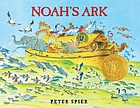 1978: Noah's Ark
by
Retells in pictures and in rhyme how a pair of every manner of creature climbed on board Noah's ark and thereby survived the Flood.
1978: Noah's Ark
by
Retells in pictures and in rhyme how a pair of every manner of creature climbed on board Noah's ark and thereby survived the Flood.
 1979: The Girl Who Loved Wild Horses
by
Though she is fond of her people, a girl prefers to live among the wild horses where she is truly happy and free.
1979: The Girl Who Loved Wild Horses
by
Though she is fond of her people, a girl prefers to live among the wild horses where she is truly happy and free.
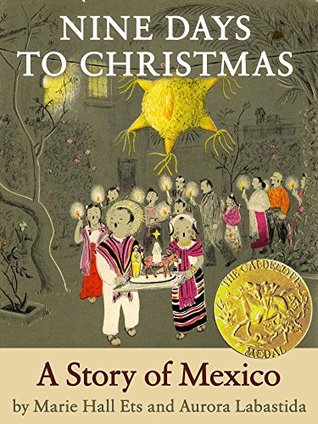 1960: Nine Days to Christmas
by
Ceci anxiously awaits her first posada, the special Mexican Christmas party, and the opportunity to select a piñata for it.
1960: Nine Days to Christmas
by
Ceci anxiously awaits her first posada, the special Mexican Christmas party, and the opportunity to select a piñata for it.
 1961: Baboushka and the Three Kings
by
An old woman who was too busy to travel with the Wise Men to find the Child now searches endlessly for Him each Christmas season.
1961: Baboushka and the Three Kings
by
An old woman who was too busy to travel with the Wise Men to find the Child now searches endlessly for Him each Christmas season.
 1962: Once a Mouse
by
As it changes from mouse, to cat, to dog, to tiger, a hermit's pet also becomes increasingly vain.
1962: Once a Mouse
by
As it changes from mouse, to cat, to dog, to tiger, a hermit's pet also becomes increasingly vain.
 1963: The Snowy Day
by
The adventures of Peter, a little boy in the city on a very snowy day. No book has captured the magic and sense of possibility of the first snowfall better than this book. With its universal appeal, the story has become a favorite with millions, as it reveals a child's wonder at a new world, and the hope of capturing and keeping that wonder forever.
1963: The Snowy Day
by
The adventures of Peter, a little boy in the city on a very snowy day. No book has captured the magic and sense of possibility of the first snowfall better than this book. With its universal appeal, the story has become a favorite with millions, as it reveals a child's wonder at a new world, and the hope of capturing and keeping that wonder forever.
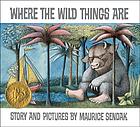 1964: Where the Wild Things Are
by
A naughty little boy, sent to bed without his supper, sails to the land of the wild things where he becomes their king.
1964: Where the Wild Things Are
by
A naughty little boy, sent to bed without his supper, sails to the land of the wild things where he becomes their king.
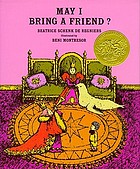 1965: May I Bring a Friend?
by
A well-mannered little boy has permission to bring his animal friends to visit the king and queen.
1965: May I Bring a Friend?
by
A well-mannered little boy has permission to bring his animal friends to visit the king and queen.
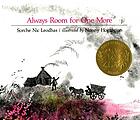 1966: Always Room For One More
by
In this Scottish folk song, a generous family always has room for another person and invites in everyone who passes by
1966: Always Room For One More
by
In this Scottish folk song, a generous family always has room for another person and invites in everyone who passes by
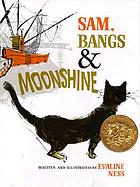 1967: Sam, Bangs, and Moonshine
by
Relates the experiences of a little girl as she learns to tell the difference between make-believe and real life.
1967: Sam, Bangs, and Moonshine
by
Relates the experiences of a little girl as she learns to tell the difference between make-believe and real life.
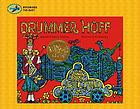 1968: Drummer Hoff
by
A cumulative folk song in which seven soldiers build a magnificent cannon, but Drummer Hoff fires it off.
1968: Drummer Hoff
by
A cumulative folk song in which seven soldiers build a magnificent cannon, but Drummer Hoff fires it off.
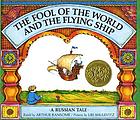 1969: The Fool of the World and the Flying Ship: a Russian Tale
by
When the Czar proclaims that he will marry his daughter to the man who brings him a flying ship, the Fool of the World sets out to try his luck and meets some unusual companions on the way.
1969: The Fool of the World and the Flying Ship: a Russian Tale
by
When the Czar proclaims that he will marry his daughter to the man who brings him a flying ship, the Fool of the World sets out to try his luck and meets some unusual companions on the way.
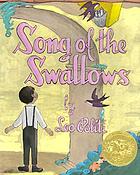 1950: Song of the Swallows
by
Sad when the swallows leave for the winter, young Juan prepares to welcome them back to the old California Mission at Capistrano on St. Joseph's Day the next spring.
1950: Song of the Swallows
by
Sad when the swallows leave for the winter, young Juan prepares to welcome them back to the old California Mission at Capistrano on St. Joseph's Day the next spring.
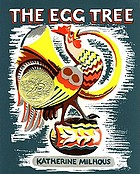 1951: The Egg Tree
by
Katy's Easter morning discovery renews the tradition of the Easter egg tree
1951: The Egg Tree
by
Katy's Easter morning discovery renews the tradition of the Easter egg tree
 1952: Finder's Keepers
by
Two dogs who have found a bone can't decide who should eat it.
1952: Finder's Keepers
by
Two dogs who have found a bone can't decide who should eat it.
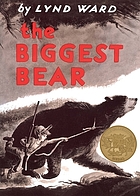 1953: The Biggest Bear
by
Johnny goes hunting for a bearskin to hang on his family's barn and returns with a small bundle of trouble.
1953: The Biggest Bear
by
Johnny goes hunting for a bearskin to hang on his family's barn and returns with a small bundle of trouble.
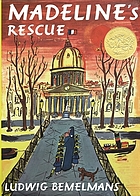 1954: Madeline's Rescue
by
A hound rescues a schoolgirl from the Seine, becomes a beloved school pet, is chased away by the trustees, and returns with a surprise.
1954: Madeline's Rescue
by
A hound rescues a schoolgirl from the Seine, becomes a beloved school pet, is chased away by the trustees, and returns with a surprise.
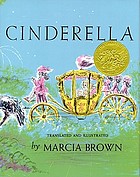 1955: Cinderella, or the Little Glass Slipper
by
In her haste to flee the palace before the fairy godmother's magic loses effect, Cinderella leaves behind a glass slipper.
1955: Cinderella, or the Little Glass Slipper
by
In her haste to flee the palace before the fairy godmother's magic loses effect, Cinderella leaves behind a glass slipper.
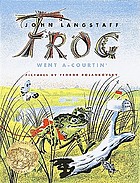 1956: Frog Went A-Courtin'
by
Illustrates the well-known American folk song about the courtship and marriage of the frog and the mouse.
1956: Frog Went A-Courtin'
by
Illustrates the well-known American folk song about the courtship and marriage of the frog and the mouse.
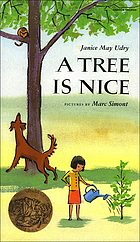 1957: A Tree is Nice
by
Briefly describes the value of a tree.
1957: A Tree is Nice
by
Briefly describes the value of a tree.
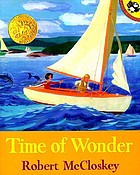 1958: Time of Wonder
by
Follows the activities of two children spending their summer vacation on an island off the coast of Maine. Describes the enchanting beauty of the island in rain, fog, sunshine, and hurricane.
1958: Time of Wonder
by
Follows the activities of two children spending their summer vacation on an island off the coast of Maine. Describes the enchanting beauty of the island in rain, fog, sunshine, and hurricane.
 1959: Chanticleer and the Fox
by
A sly fox tries to outwit a proud rooster through the use of flattery.
1959: Chanticleer and the Fox
by
A sly fox tries to outwit a proud rooster through the use of flattery.
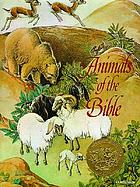 1938: Animals of the Bible
by
The Old and New Testaments of the King James Version are the sources for the thirty-one stories about animals; the illustrations include the flora of biblical lands and portray the animals with reverence.
1938: Animals of the Bible
by
The Old and New Testaments of the King James Version are the sources for the thirty-one stories about animals; the illustrations include the flora of biblical lands and portray the animals with reverence.
 1939: Mei Li
by
After spending an eventful day at the fair held on New Year's Eve, Mei Li arrives home just in time to greet the Kitchen God.
1939: Mei Li
by
After spending an eventful day at the fair held on New Year's Eve, Mei Li arrives home just in time to greet the Kitchen God.
 1940: Abraham Lincoln
by
Text and illustrations present the life of the boy born on the Kentucky frontier who became the sixteenth president of the United States.
1940: Abraham Lincoln
by
Text and illustrations present the life of the boy born on the Kentucky frontier who became the sixteenth president of the United States.
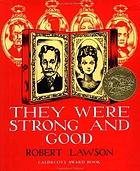 1941: They Were Strong and Good
by
Relates the story of the author's grandparents and parents, who, though not famous, helped build the United States.
1941: They Were Strong and Good
by
Relates the story of the author's grandparents and parents, who, though not famous, helped build the United States.
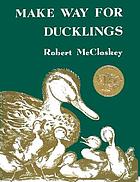 1942: Make Way For Ducklings
by
Mr. and Mrs. Mallard proudly return to their home in the Boston Public Garden with their eight offspring
1942: Make Way For Ducklings
by
Mr. and Mrs. Mallard proudly return to their home in the Boston Public Garden with their eight offspring
 1943: The Little House
by
A country house is unhappy when the city, with all its buildings and traffic, grows up around her.
1943: The Little House
by
A country house is unhappy when the city, with all its buildings and traffic, grows up around her.
 1944: Manny Moons
by
Though many try, only the court jester is able to fulfill Princess Lenore's one wish.
1944: Manny Moons
by
Though many try, only the court jester is able to fulfill Princess Lenore's one wish.
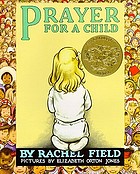 1945: Prayer For a Child
by
An illustrated bedtime prayer which gives thanks for the many aspects of a child's world.
1945: Prayer For a Child
by
An illustrated bedtime prayer which gives thanks for the many aspects of a child's world.
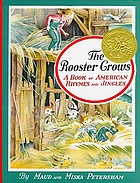 1946: The Rooster Crows
by
A collection of traditional American nursery rhymes, finger games, skipping rhymes, jingles, and counting-out rhymes.
1946: The Rooster Crows
by
A collection of traditional American nursery rhymes, finger games, skipping rhymes, jingles, and counting-out rhymes.
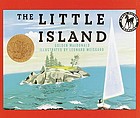 1947: The Little Island
by
Depicts the changes that occur on a small island as the seasons come and go, as day changes to night, and as a storm approaches.
1947: The Little Island
by
Depicts the changes that occur on a small island as the seasons come and go, as day changes to night, and as a storm approaches.
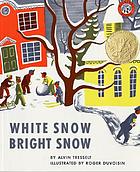 1948: White Snow, Bright Snow
by
When it begins to look, feel, and smell like snow, everyone prepares for a winter blizzard.
1948: White Snow, Bright Snow
by
When it begins to look, feel, and smell like snow, everyone prepares for a winter blizzard.
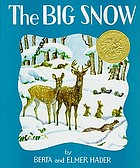 1949: The Big Snow
by
Despite their elaborate preparations for the winter, the animals and birds are delighted by a surprise banquet after a big snow.
1949: The Big Snow
by
Despite their elaborate preparations for the winter, the animals and birds are delighted by a surprise banquet after a big snow.
The Coretta Scott King Book Awards are given every year by the American Library Association (ALA) to African-American authors and illustrators who have created outstanding books for children and young adults. Coretta Scott King, in whose honor the awards are named, was the wife of Dr. Martin Luther King, Jr
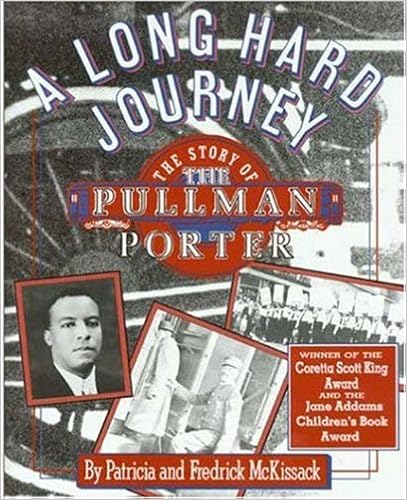 1990 (Author): A Long Hard Journey: The Story of the Pullman Porter
by
A chronicle of the first black-controlled union, made up of Pullman porters, who after years of unfair labor practices staged a battle against a corporate giant resulting in a "David and Goliath" ending
1990 (Author): A Long Hard Journey: The Story of the Pullman Porter
by
A chronicle of the first black-controlled union, made up of Pullman porters, who after years of unfair labor practices staged a battle against a corporate giant resulting in a "David and Goliath" ending
 1990 (Illustrator): Nathaniel Talking
by
In brief poems, a nine-year-old boy shares his views on his mother's death, knowledge, friends, school, his father, and the future
1990 (Illustrator): Nathaniel Talking
by
In brief poems, a nine-year-old boy shares his views on his mother's death, knowledge, friends, school, his father, and the future
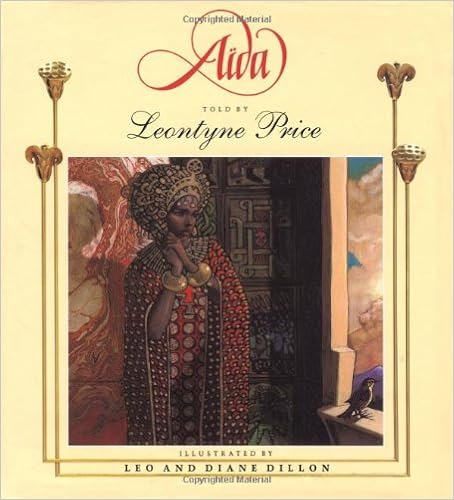 1991 (Illustrator): Aida
by
With depth and understanding, acclaimed diva Leontyne Price retells this famous opera about the beautiful princess of Ethiopia.
1991 (Illustrator): Aida
by
With depth and understanding, acclaimed diva Leontyne Price retells this famous opera about the beautiful princess of Ethiopia.
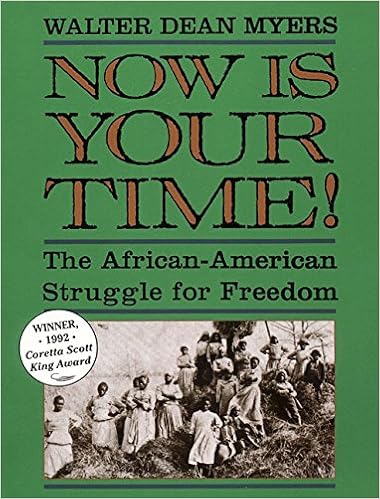 1992 (Author): Now Is Your Time: The African American Struggle for Freedom
by
Since they were first brought as captives to Virginia, the people who would become African Americans have struggled for freedom. Thousands fought for the rights of all Americans during the Revolutionary War, and for their own rights during the Civil War. On the battlefield, through education, and through their creative genius, they have worked toward one goal: that the rights of life, liberty, and the pursuit of happiness be denied no one.
Fired by the legacy of these men and women, the struggle continues today.
1992 (Author): Now Is Your Time: The African American Struggle for Freedom
by
Since they were first brought as captives to Virginia, the people who would become African Americans have struggled for freedom. Thousands fought for the rights of all Americans during the Revolutionary War, and for their own rights during the Civil War. On the battlefield, through education, and through their creative genius, they have worked toward one goal: that the rights of life, liberty, and the pursuit of happiness be denied no one.
Fired by the legacy of these men and women, the struggle continues today.
 1992 (Illustrator): Tar Beach
by
Cassie Louise Lightfoot has a dream: to be free to go wherever she wants for the rest of her life. One night, up on “tar beach,” the rooftop of her family’s Harlem apartment building, her dreams come true. The stars lift her up, and she flies over the city, claiming the buildings and the city as her own.
As Cassie learns, anyone can fly. “All you need is somewhere to go you can’t get to any other way. The next thing you know, you’re flying among the stars.”
1992 (Illustrator): Tar Beach
by
Cassie Louise Lightfoot has a dream: to be free to go wherever she wants for the rest of her life. One night, up on “tar beach,” the rooftop of her family’s Harlem apartment building, her dreams come true. The stars lift her up, and she flies over the city, claiming the buildings and the city as her own.
As Cassie learns, anyone can fly. “All you need is somewhere to go you can’t get to any other way. The next thing you know, you’re flying among the stars.”
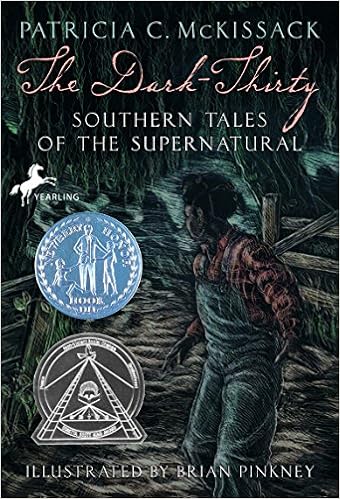 1993 (Author): The Dark-Thirty: Southern Tales of the Supernatural
by
A collection of ghost stories with African American themes, designed to be told during the Dark Thirty--the half hour before sunset--when ghosts seem all too believable.
1993 (Author): The Dark-Thirty: Southern Tales of the Supernatural
by
A collection of ghost stories with African American themes, designed to be told during the Dark Thirty--the half hour before sunset--when ghosts seem all too believable.
 1993 (Illustrator): The Origin of Life on Earth: An African Creation Myth
by
Retells the Yoruba creation myth in which the deity Obatala descends from the sky to create the world
1993 (Illustrator): The Origin of Life on Earth: An African Creation Myth
by
Retells the Yoruba creation myth in which the deity Obatala descends from the sky to create the world
 1994 (Author): Toning the Sweep
by
Three generations of African American women, each holding on to a separate truth. Their story -- encompassing racism and murder as well as the family commonplaces that make a life -- is one that readers will never forget.
1994 (Author): Toning the Sweep
by
Three generations of African American women, each holding on to a separate truth. Their story -- encompassing racism and murder as well as the family commonplaces that make a life -- is one that readers will never forget.
 1994 (Illustrator): Soul Looks Back in Wonder
by
In this compelling collection of words and pictures, the voices of thirteen major poets, including Maya Angelou, Langston Hughes, and Walter Dean Myers, rise in response to the dazzling vistas and emotionally vivid portraits of award-winning artist Tom Feelings. A unique and moving collaboration that celebrates the sustaining spirit of African creativity.
1994 (Illustrator): Soul Looks Back in Wonder
by
In this compelling collection of words and pictures, the voices of thirteen major poets, including Maya Angelou, Langston Hughes, and Walter Dean Myers, rise in response to the dazzling vistas and emotionally vivid portraits of award-winning artist Tom Feelings. A unique and moving collaboration that celebrates the sustaining spirit of African creativity.
 1995 (Author): Christmas In The Big House: Christmas in the Quarters
by
The year is 1859, and it's Christmastime on a Virginia Plantation. The slaves are cleaning and setting up the Big House--where their masters live--for the festivities. The Big House is filled with warmth, colorful decorations, and yummy food...but there is talk of war and a sense that times may be changing. In the quarters--where the slaves live--conditions are poor, dirty, and cold, but the slaves are filled with hope for better times ahead, and they sing songs of freedom.
1995 (Author): Christmas In The Big House: Christmas in the Quarters
by
The year is 1859, and it's Christmastime on a Virginia Plantation. The slaves are cleaning and setting up the Big House--where their masters live--for the festivities. The Big House is filled with warmth, colorful decorations, and yummy food...but there is talk of war and a sense that times may be changing. In the quarters--where the slaves live--conditions are poor, dirty, and cold, but the slaves are filled with hope for better times ahead, and they sing songs of freedom.
 1995 (Illustrator): The Creation
by
A poetic retelling of the creation story from Genesis, by a distinguished African-American poet and preacher, describes the making of the heavens and the earth, from the first light, to the coming of the animals, to the creation of humankind.
1995 (Illustrator): The Creation
by
A poetic retelling of the creation story from Genesis, by a distinguished African-American poet and preacher, describes the making of the heavens and the earth, from the first light, to the coming of the animals, to the creation of humankind.
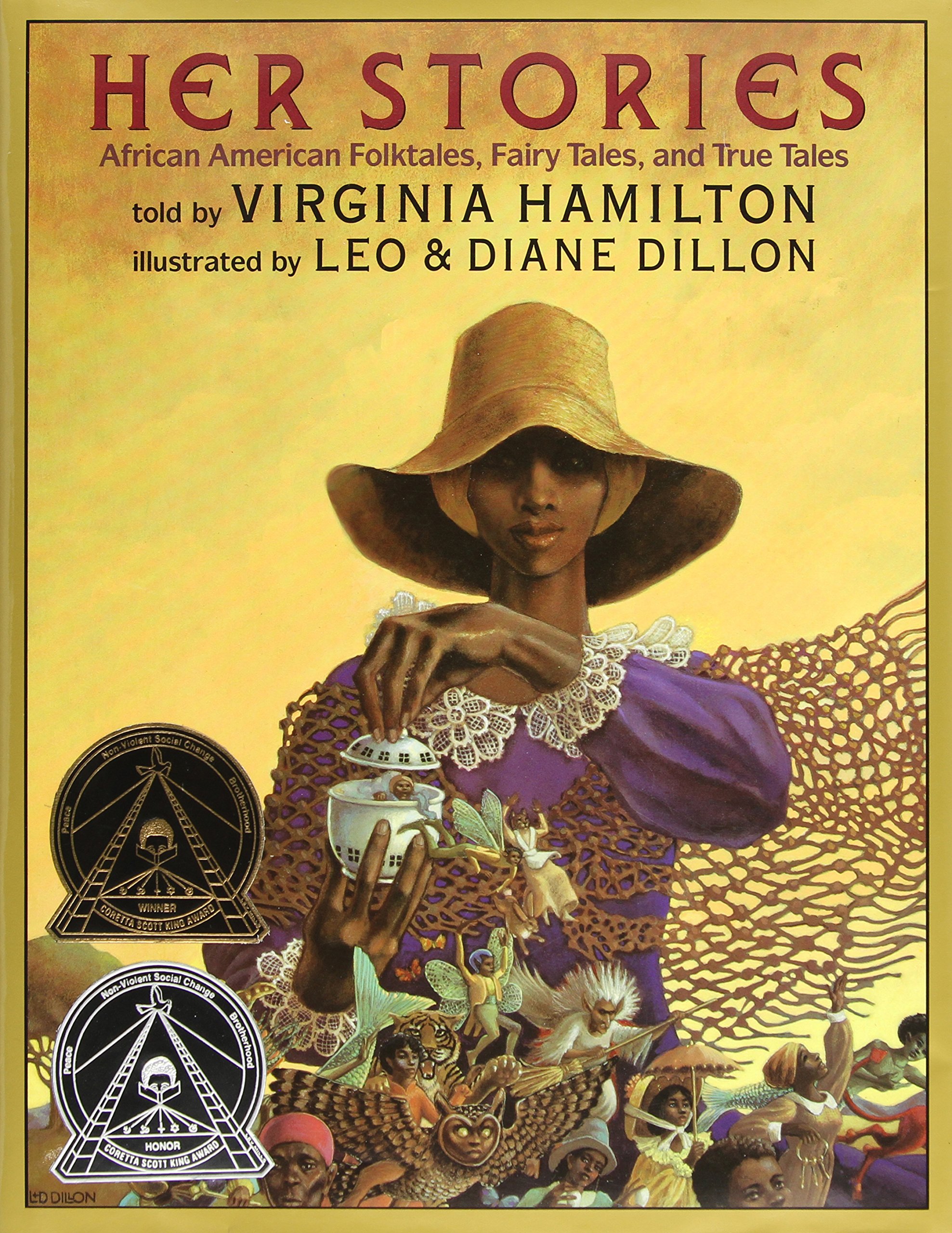 1996 (Author): Her Stories
by
In the tradition of Hamilton's The People Could Fly and In the Beginning, a dramatic new collection of 25 compelling tales from the female African American storytelling tradition. Each story focuses on the role of women--both real and fantastic--and their particular strengths, joys and sorrows.
1996 (Author): Her Stories
by
In the tradition of Hamilton's The People Could Fly and In the Beginning, a dramatic new collection of 25 compelling tales from the female African American storytelling tradition. Each story focuses on the role of women--both real and fantastic--and their particular strengths, joys and sorrows.
 1996 (Illustrator): The Middle Passage: White Ships, Black Cargo
by
Alex Haley's Roots awakened many Americans to the cruelty of slavery. The Middle Passage focuses attention on the torturous journey which brought slaves from Africa to the Americas, allowing readers to bear witness to the sufferings of an entire people.
1996 (Illustrator): The Middle Passage: White Ships, Black Cargo
by
Alex Haley's Roots awakened many Americans to the cruelty of slavery. The Middle Passage focuses attention on the torturous journey which brought slaves from Africa to the Americas, allowing readers to bear witness to the sufferings of an entire people.
 1997 (Author): Slam!
by
Sixteen-year-old "Slam" Harris is counting on his noteworthy basketball talents to get him out of the inner city and give him a chance to succeed in life, but his coach sees things differently.
1997 (Author): Slam!
by
Sixteen-year-old "Slam" Harris is counting on his noteworthy basketball talents to get him out of the inner city and give him a chance to succeed in life, but his coach sees things differently.
 1997 (Illustrator): Minty: A Story of a Young Harriet Tubman
by
They called her "Minty."
When she grew up, she became Harriet Tubman, the courageous and heroic woman who helped hundreds of slaves escape to freedom through the Underground Railroad. But she was just a little girl for a while—and this is her story. Minty, short for Araminta, was a feisty and headstrong young slave, whose rebellious spirit often got her into trouble. She told stories to her doll, released animals from traps, and, above all, dreamed of running away. And when her father began to teach her the skills necessary for escape, she listened carefully, and learned. . . .
1997 (Illustrator): Minty: A Story of a Young Harriet Tubman
by
They called her "Minty."
When she grew up, she became Harriet Tubman, the courageous and heroic woman who helped hundreds of slaves escape to freedom through the Underground Railroad. But she was just a little girl for a while—and this is her story. Minty, short for Araminta, was a feisty and headstrong young slave, whose rebellious spirit often got her into trouble. She told stories to her doll, released animals from traps, and, above all, dreamed of running away. And when her father began to teach her the skills necessary for escape, she listened carefully, and learned. . . .
 1998 (Author): Forged by Fire
by
eenage Gerald, who has spent years protecting his fragile half-sister from their abusive father, faces the prospect of one final confrontation before the problem can be solved. When Gerald was a child he was fascinated by fire. But fire is dangerous and powerful, and tragedy strikes. His substance-addicted mother is taken from him. Then he loses the loving generosity of a favorite aunt. A brutal stepfather with a flaming temper and an evil secret makes his life miserable. The one bright light in Gerald's life is his little half sister, Angel, whom he struggles to protect from her father, Jordan Sparks, who abuses her, and from their mother, whose irresponsible behavior forces Gerald to work hard to keep the family together. As a teenager, Gerald finds success as a member of the Hazelwood Tigers basketball team, while Angel develops her talents as a dancer. Trouble still haunts them, however, and Gerald learns, painfully, that young friends can die and old enemies must be faced. In the end he must stand up to his stepfather alone in a blazing confrontation.
1998 (Author): Forged by Fire
by
eenage Gerald, who has spent years protecting his fragile half-sister from their abusive father, faces the prospect of one final confrontation before the problem can be solved. When Gerald was a child he was fascinated by fire. But fire is dangerous and powerful, and tragedy strikes. His substance-addicted mother is taken from him. Then he loses the loving generosity of a favorite aunt. A brutal stepfather with a flaming temper and an evil secret makes his life miserable. The one bright light in Gerald's life is his little half sister, Angel, whom he struggles to protect from her father, Jordan Sparks, who abuses her, and from their mother, whose irresponsible behavior forces Gerald to work hard to keep the family together. As a teenager, Gerald finds success as a member of the Hazelwood Tigers basketball team, while Angel develops her talents as a dancer. Trouble still haunts them, however, and Gerald learns, painfully, that young friends can die and old enemies must be faced. In the end he must stand up to his stepfather alone in a blazing confrontation.
 1998 (Illustrator): In Daddy's Arms, I am Tall: African-Americans Celebrating Fathers
by
In this intergenerational collection of poetry by new and established African American writers, fatherhood is celebrated with honor, humor, and grace. Folami Abiade, Dinah Johnson, Carole Boston Weatherford, Dakari Hru, Michael Burgess, E. Ethelbert Miller, Lenard D. Moore, David Anderson, Angela Johnson, Sonia Sanchez, and Davida Adedjouma all contribute. Javaka Steptoe, who also offers a poem, employs an inventive range of media to bring each of the poems to life. In Daddy's Arms I Am Tall testifies to the powerful bond between father and child, recognizing family as our greatest gift, and identifying fathers as being among our most influential heroes.
1998 (Illustrator): In Daddy's Arms, I am Tall: African-Americans Celebrating Fathers
by
In this intergenerational collection of poetry by new and established African American writers, fatherhood is celebrated with honor, humor, and grace. Folami Abiade, Dinah Johnson, Carole Boston Weatherford, Dakari Hru, Michael Burgess, E. Ethelbert Miller, Lenard D. Moore, David Anderson, Angela Johnson, Sonia Sanchez, and Davida Adedjouma all contribute. Javaka Steptoe, who also offers a poem, employs an inventive range of media to bring each of the poems to life. In Daddy's Arms I Am Tall testifies to the powerful bond between father and child, recognizing family as our greatest gift, and identifying fathers as being among our most influential heroes.
 1999 (Author): Heaven
by
At fourteen, Marley knows she has Momma’s hands and Pops’s love for ice cream, that her brother doesn’t get on her nerves too much, and that Uncle Jack is a big mystery. But Marley doesn’t know all she thinks she does, because she doesn’t know the truth. And when the truth comes down with the rain one stormy summer afternoon, it changes everything. It turns Momma and Pops into liars. It makes her brother a stranger and Uncle Jack an even bigger mystery.
All of a sudden, Marley doesn’t know who she is anymore and can only turn to the family she no longer trusts to find out. Truth often brings change. Sometimes that change is for the good. Sometimes it isn’t.
1999 (Author): Heaven
by
At fourteen, Marley knows she has Momma’s hands and Pops’s love for ice cream, that her brother doesn’t get on her nerves too much, and that Uncle Jack is a big mystery. But Marley doesn’t know all she thinks she does, because she doesn’t know the truth. And when the truth comes down with the rain one stormy summer afternoon, it changes everything. It turns Momma and Pops into liars. It makes her brother a stranger and Uncle Jack an even bigger mystery.
All of a sudden, Marley doesn’t know who she is anymore and can only turn to the family she no longer trusts to find out. Truth often brings change. Sometimes that change is for the good. Sometimes it isn’t.
 1999 (Illustrator): I See the Rhythm
by
This award-winning picture book invites children along to dance to the rhythm of swing at the Savoy in Harlem, to rejoice to the rhythm of gospel from a church pew on a Sunday morning, and more. Each stunning spread—including art, poetic text, a description of the music style, and a time line of selected historical events—encompasses the spirit of the times and the strength of the communities where the music was born. Toyomi Igus's lyrical text, matched with artist Michele Wood's daring vision, captures the feel of each style of music and pays tribute to the musicians who gave the music life.
1999 (Illustrator): I See the Rhythm
by
This award-winning picture book invites children along to dance to the rhythm of swing at the Savoy in Harlem, to rejoice to the rhythm of gospel from a church pew on a Sunday morning, and more. Each stunning spread—including art, poetic text, a description of the music style, and a time line of selected historical events—encompasses the spirit of the times and the strength of the communities where the music was born. Toyomi Igus's lyrical text, matched with artist Michele Wood's daring vision, captures the feel of each style of music and pays tribute to the musicians who gave the music life.
 1980 (Author): The Young Landlords
by
If you were looking for a real ghetto dump, you couldn’t beat The Stratford Arms. There was Askia Ben Kenobi throwing karate chops upstairs, Petey Darden making booze downstairs, and Mrs. Brown grieving for Jack Johnson, who’d died for the third time in a month—and not a rent payer in the bunch. Still, when Paul Williams and the Action Group got the Arms for one dollar, they thought they had it made. But when their friend Chris was arrested for stealing stereos and Dean’s dog started biting fire hydrants and Gloria started kissing, being a landlord turned out to be a lot more work than being a kid.
1980 (Author): The Young Landlords
by
If you were looking for a real ghetto dump, you couldn’t beat The Stratford Arms. There was Askia Ben Kenobi throwing karate chops upstairs, Petey Darden making booze downstairs, and Mrs. Brown grieving for Jack Johnson, who’d died for the third time in a month—and not a rent payer in the bunch. Still, when Paul Williams and the Action Group got the Arms for one dollar, they thought they had it made. But when their friend Chris was arrested for stealing stereos and Dean’s dog started biting fire hydrants and Gloria started kissing, being a landlord turned out to be a lot more work than being a kid.
 1980 (Illustrator): Cornrows
by
Every design has a name and means something in the powerful past and present richness of the Black tradition.
Mama's and Great-Grammaw's gentle fingers weave the design, and their lulling voices weave the tale, as they braid their children's hair into the striking cornrow patterns of Africa.
1980 (Illustrator): Cornrows
by
Every design has a name and means something in the powerful past and present richness of the Black tradition.
Mama's and Great-Grammaw's gentle fingers weave the design, and their lulling voices weave the tale, as they braid their children's hair into the striking cornrow patterns of Africa.
 1981 (Author): This Life
by
The Academy Award-winning Black actor tells of his childhood in the Bahamas, his introduction to New York, his two marriages and tumultuous eight-year relationship with Diahann Carroll, and his numerous films
1981 (Author): This Life
by
The Academy Award-winning Black actor tells of his childhood in the Bahamas, his introduction to New York, his two marriages and tumultuous eight-year relationship with Diahann Carroll, and his numerous films
 1981 (Illustrator): Beat the Story Drum, Pum-Pum
by
From the silly tale of a monkey’s speech being sprinkled with shoo bee do’s and hay baa ba ree bop’s to the more poignant story of two young friends—a snake and a frog—being warned away from each other by their prejudiced mothers, these five tales and their striking woodcut illustrations are sure to enchant young readers.
1981 (Illustrator): Beat the Story Drum, Pum-Pum
by
From the silly tale of a monkey’s speech being sprinkled with shoo bee do’s and hay baa ba ree bop’s to the more poignant story of two young friends—a snake and a frog—being warned away from each other by their prejudiced mothers, these five tales and their striking woodcut illustrations are sure to enchant young readers.
 1982 (Author): Let the Circle Be Unbroken
by
It is a frightening and turbulent time for the Logan family. First, their friend T.J. must go on trial for murder--and confront an all-white jury. Then, Cousin Suzella tries to pass for white, with humiliating consequences. And when Cassie's neighbor, Mrs. Lee Annie, stands up for her right to vote, she and her family are driven from their home. Other neighbors are destroyed and shattered by the greed of landowners. But through it all, Cassie and the Logans stand together and stand proud--proving that courage, love, and understanding can defy even the deepest prejudice.
1982 (Author): Let the Circle Be Unbroken
by
It is a frightening and turbulent time for the Logan family. First, their friend T.J. must go on trial for murder--and confront an all-white jury. Then, Cousin Suzella tries to pass for white, with humiliating consequences. And when Cassie's neighbor, Mrs. Lee Annie, stands up for her right to vote, she and her family are driven from their home. Other neighbors are destroyed and shattered by the greed of landowners. But through it all, Cassie and the Logans stand together and stand proud--proving that courage, love, and understanding can defy even the deepest prejudice.
 1982 (Illustrator): Mother Crocodile: An Uncle Amadou Tale from Senegal
by
Just because Mother Crocodile once snapped at Golo-the-Monkey for teasing her, he tells all the other animals she's crazy. The monkey even tells the little crocodiles, her children, who believe him. When a flock of crows warn of the coming war, and Mother Crocodile tells her children to flee, they close their ears, and she sadly leaves them behind to fend for themselves.
1982 (Illustrator): Mother Crocodile: An Uncle Amadou Tale from Senegal
by
Just because Mother Crocodile once snapped at Golo-the-Monkey for teasing her, he tells all the other animals she's crazy. The monkey even tells the little crocodiles, her children, who believe him. When a flock of crows warn of the coming war, and Mother Crocodile tells her children to flee, they close their ears, and she sadly leaves them behind to fend for themselves.
 1983 (Author): Sweet Whispers, Brother Rush
by
Fourteen-year-old Tree, resentful of her working mother who leaves her in charge of a retarded brother, encounters the ghost of her dead uncle and comes to a deeper understanding of her family's problems.
1983 (Author): Sweet Whispers, Brother Rush
by
Fourteen-year-old Tree, resentful of her working mother who leaves her in charge of a retarded brother, encounters the ghost of her dead uncle and comes to a deeper understanding of her family's problems.
 1983 (Illustrator): Black Child
by
The sad, harsh realities of life in South Africa are sensitively revealed in photographs of children's faces.
1983 (Illustrator): Black Child
by
The sad, harsh realities of life in South Africa are sensitively revealed in photographs of children's faces.
 1984 (Author): Everett Anderson's Goodbye
by
Everett Anderson's Goodbye is a touching portrait of a little boy who is trying to come to grips with his father's death. Lucille Clifton captures Everett's conflicting emotions as he confronts this painful reality. We see him struggle through many stages, from denial and anger to depression and, finally, acceptance. In this spare and moving poem, the last in this acclaimed series, Lucille Clifton brings Everett Anderson's life full circle.
1984 (Author): Everett Anderson's Goodbye
by
Everett Anderson's Goodbye is a touching portrait of a little boy who is trying to come to grips with his father's death. Lucille Clifton captures Everett's conflicting emotions as he confronts this painful reality. We see him struggle through many stages, from denial and anger to depression and, finally, acceptance. In this spare and moving poem, the last in this acclaimed series, Lucille Clifton brings Everett Anderson's life full circle.
 1984 (Illustrator): My Mama Needs Me
by
1984 (Illustrator): My Mama Needs Me
by
 1985 (Author)Motown and Didi
by
Motown lives in a burned-out building one floor above the rats, searching out jobs every day, working his muscles every night, keeping strong, surviving. Didi lives in her cool dream bubble, untouched by the Harlem heat that beats down on her brother until only drugs can soothe him. Didi escapes, without needles, in her tidy plans and stainless visions, etchings of ivycovered colleges where her true life will begin. Didi can survive inside her own safe mind, until Motown steps into her real world and makes it bearable. Together they can stand the often brutal present. What about the future?
1985 (Author)Motown and Didi
by
Motown lives in a burned-out building one floor above the rats, searching out jobs every day, working his muscles every night, keeping strong, surviving. Didi lives in her cool dream bubble, untouched by the Harlem heat that beats down on her brother until only drugs can soothe him. Didi escapes, without needles, in her tidy plans and stainless visions, etchings of ivycovered colleges where her true life will begin. Didi can survive inside her own safe mind, until Motown steps into her real world and makes it bearable. Together they can stand the often brutal present. What about the future?
 1986 (Author): The People Could Fly: American Black Folktales
by
Retold Afro-American folktales of animals, fantasy, the supernatural, and desire for freedom, born of the sorrow of the slaves, but passed on in hope.
Held by S
1986 (Author): The People Could Fly: American Black Folktales
by
Retold Afro-American folktales of animals, fantasy, the supernatural, and desire for freedom, born of the sorrow of the slaves, but passed on in hope.
Held by S
 1986 (illustrator): The Patchwork Quilt
by
Twenty years ago Valerie Flournoy and Jerry Pinkney created a warmhearted intergenerational story that became an award-winning perennial. Since then children from all sorts of family situations and configurations continue to be drawn to its portrait of those bonds that create the fabric of family life
1986 (illustrator): The Patchwork Quilt
by
Twenty years ago Valerie Flournoy and Jerry Pinkney created a warmhearted intergenerational story that became an award-winning perennial. Since then children from all sorts of family situations and configurations continue to be drawn to its portrait of those bonds that create the fabric of family life
 1987 (Author): Justin and the Best Biscuits in the World
by
Ten-year-old Justin hates that his sisters and his mama are always fussing at him. They make him feel stupid because he can't clean his room or cook. But why should he? He'd rather be outside playing. After all, cooking and cleaning is just “women's work.” That's why Justin is glad when his grandfather invites him back to his ranch for the summer. Justin is sure he can get away from all the women and do some actual “men's work,” such as cleaning fish, mending fences, and riding horses. But back at the ranch, Justin learns some unexpected lessons and soon realizes that anyone can do anything once they learn how.
1987 (Author): Justin and the Best Biscuits in the World
by
Ten-year-old Justin hates that his sisters and his mama are always fussing at him. They make him feel stupid because he can't clean his room or cook. But why should he? He'd rather be outside playing. After all, cooking and cleaning is just “women's work.” That's why Justin is glad when his grandfather invites him back to his ranch for the summer. Justin is sure he can get away from all the women and do some actual “men's work,” such as cleaning fish, mending fences, and riding horses. But back at the ranch, Justin learns some unexpected lessons and soon realizes that anyone can do anything once they learn how.
 1987 (Illustrator): Half a Moon and One Whole Star
by
A soothing, evocative poem about night falling over a young girl’s home and neighborhood is brought to life by the lush artwork of Caldecott Medal winner Jerry Pinkney in this bedtime treasure.
1987 (Illustrator): Half a Moon and One Whole Star
by
A soothing, evocative poem about night falling over a young girl’s home and neighborhood is brought to life by the lush artwork of Caldecott Medal winner Jerry Pinkney in this bedtime treasure.
 1988 (Author): The Friendship
by
Two powerful stories in one volume. The friendship: Cassie Logan tells the haunting story of a neighbor in Mississippi, Mr. Tom Bee, who dares to call a white storekeeper by his first name. A long time ago Mr. Tom Bee had saved the white man's life. But when Mr. Bee puts their friendship to the test, something terrible--and unforgettable--happens. The gold Cadillac: 'Lois and her sister Wilma are proud that the family will be driving in it all the way from Ohio to Mississippi. But as they travel deeper into the rural South, there are no admiring glances for the wonderful car, only suspicion and anger for the black man behind the wheel. For the first time in their lives, 'Lois and her sister find out what it's like to be scared because of the color of their skin.
1988 (Author): The Friendship
by
Two powerful stories in one volume. The friendship: Cassie Logan tells the haunting story of a neighbor in Mississippi, Mr. Tom Bee, who dares to call a white storekeeper by his first name. A long time ago Mr. Tom Bee had saved the white man's life. But when Mr. Bee puts their friendship to the test, something terrible--and unforgettable--happens. The gold Cadillac: 'Lois and her sister Wilma are proud that the family will be driving in it all the way from Ohio to Mississippi. But as they travel deeper into the rural South, there are no admiring glances for the wonderful car, only suspicion and anger for the black man behind the wheel. For the first time in their lives, 'Lois and her sister find out what it's like to be scared because of the color of their skin.
 1988 (Illustrator): Mufaro's Beautiful Daughters: An African Tale
by
Inspired by a traditional African folktale, this is the story of Mufaro, who is proud of his two beautiful daughters. Nyasha is kind and considerate, but everyone—except Mufaro—knows that Manyara is selfish and bad-tempered.
When the Great King decides to take a wife and invites the most worthy and beautiful daughters in the land to appear before him, Mufaro brings both of his daughters—but only one can be queen. Who will the king choose?
1988 (Illustrator): Mufaro's Beautiful Daughters: An African Tale
by
Inspired by a traditional African folktale, this is the story of Mufaro, who is proud of his two beautiful daughters. Nyasha is kind and considerate, but everyone—except Mufaro—knows that Manyara is selfish and bad-tempered.
When the Great King decides to take a wife and invites the most worthy and beautiful daughters in the land to appear before him, Mufaro brings both of his daughters—but only one can be queen. Who will the king choose?
 1989 (Author): Fallen Angels
by
A coming-of-age tale for young adults set in the trenches of the Vietnam War in the late 1960s, this is the story of Perry, a Harlem teenager who volunteers for the service when his dream of attending college falls through. Sent to the front lines, Perry and his platoon come face-to-face with the Vietcong and the real horror of warfare. But violence and death aren't the only hardships. As Perry struggles to find virtue in himself and his comrades, he questions why black troops are given the most dangerous assignments, and why the U.S. is even there at all.
1989 (Author): Fallen Angels
by
A coming-of-age tale for young adults set in the trenches of the Vietnam War in the late 1960s, this is the story of Perry, a Harlem teenager who volunteers for the service when his dream of attending college falls through. Sent to the front lines, Perry and his platoon come face-to-face with the Vietcong and the real horror of warfare. But violence and death aren't the only hardships. As Perry struggles to find virtue in himself and his comrades, he questions why black troops are given the most dangerous assignments, and why the U.S. is even there at all.
 1989 (Illustrator): Mirandy and Brother Wind
by
To win first prize in the Junior Cakewalk, Mirandy tries to capture the wind to make him be her partner.
1989 (Illustrator): Mirandy and Brother Wind
by
To win first prize in the Junior Cakewalk, Mirandy tries to capture the wind to make him be her partner.
 1970 (Author): Martin Luther King Jr.: Man of Peace
by
A biography of the minister, orator, and crusader for equal civil rights who was awarded the Nobel Peace Prize in 1964.
1970 (Author): Martin Luther King Jr.: Man of Peace
by
A biography of the minister, orator, and crusader for equal civil rights who was awarded the Nobel Peace Prize in 1964.
 1971 (Author): Black Troubadour: Langston Hughes
by
James Mercer Langston Hughes was an American poet, social activist, novelist, playwright, and columnist. He was one of the earliest innovators of the then-new literary art form jazz poetry. Hughes is best known as a leader of the Harlem Renaissance.
1971 (Author): Black Troubadour: Langston Hughes
by
James Mercer Langston Hughes was an American poet, social activist, novelist, playwright, and columnist. He was one of the earliest innovators of the then-new literary art form jazz poetry. Hughes is best known as a leader of the Harlem Renaissance.
 1972 (Author): 17 Black Artists
by
Views the artistic careers of Black men and women whose creations in such media as painting, sculpture, and photography reveal many aspects of the Black experience
1972 (Author): 17 Black Artists
by
Views the artistic careers of Black men and women whose creations in such media as painting, sculpture, and photography reveal many aspects of the Black experience
 1973 (Author): I Never Had it Made: An Autobiography
by
Autobiography of an African American who broke the color barrier in major league baseball and devoted his life to achieving justice
1973 (Author): I Never Had it Made: An Autobiography
by
Autobiography of an African American who broke the color barrier in major league baseball and devoted his life to achieving justice
 1974 (Author/Illustrator): Ray Charles
by
As a young boy he fell in love with music, and as a man, the world fell in love with his music. Ray Charles and his soulful, passionate rhythm and melodies have been embraced around the globe for decades. Now, in this beautiful new edition of the award-winning biography, readers can follow Charles from his boyhood, when he lost his sight completely and learned to read and write music in Braille, until the age of 40, when he had become a world-renowned jazz and blues musician
1974 (Author/Illustrator): Ray Charles
by
As a young boy he fell in love with music, and as a man, the world fell in love with his music. Ray Charles and his soulful, passionate rhythm and melodies have been embraced around the globe for decades. Now, in this beautiful new edition of the award-winning biography, readers can follow Charles from his boyhood, when he lost his sight completely and learned to read and write music in Braille, until the age of 40, when he had become a world-renowned jazz and blues musician
 1975 (Author): The Legend of Africana
by
An allegorical tale of Africa's struggle against the ravishment of its people and country.
1975 (Author): The Legend of Africana
by
An allegorical tale of Africa's struggle against the ravishment of its people and country.
 1976 (Author): Duey's Tale
by
A maple seedling becomes separated from his mother tree, makes friends with a bottle and a log, and searches for his own place in life.
1976 (Author): Duey's Tale
by
A maple seedling becomes separated from his mother tree, makes friends with a bottle and a log, and searches for his own place in life.
 1977 (Author): The Story of Stevie Wonder
by
A biography of the blind composer, pianist, and singer who was a child prodigy and went on to win nine Grammy awards.
1977 (Author): The Story of Stevie Wonder
by
A biography of the blind composer, pianist, and singer who was a child prodigy and went on to win nine Grammy awards.
 1978 (Illustrator/Author): Africa Dream
by
In words that sing and pictures that evoke the rich life and culture of the African continent, here is a book that makes real the deepest longings and imaginings of children for the faraway land of their ancestors. A classic picture book for sharing at home or in the classroom.
1978 (Illustrator/Author): Africa Dream
by
In words that sing and pictures that evoke the rich life and culture of the African continent, here is a book that makes real the deepest longings and imaginings of children for the faraway land of their ancestors. A classic picture book for sharing at home or in the classroom.
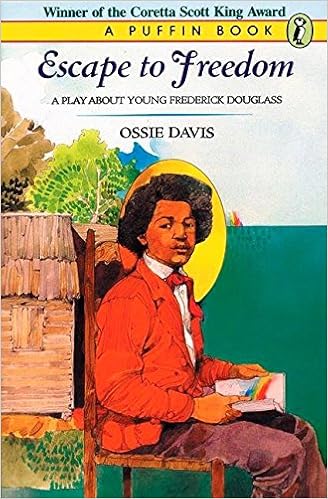 1979 (Author): Escape to Freedom
by
A play that depicts Frederick Douglas overcoming his beginnings as a slave to becoming the first African American man to hold a diplomatic office.
1979 (Author): Escape to Freedom
by
A play that depicts Frederick Douglas overcoming his beginnings as a slave to becoming the first African American man to hold a diplomatic office.
 1979 (Illustrator): Something on My Mind
by
A collection of poems expressing the hopes, fears, joys, and sorrows of growing up
1979 (Illustrator): Something on My Mind
by
A collection of poems expressing the hopes, fears, joys, and sorrows of growing up